
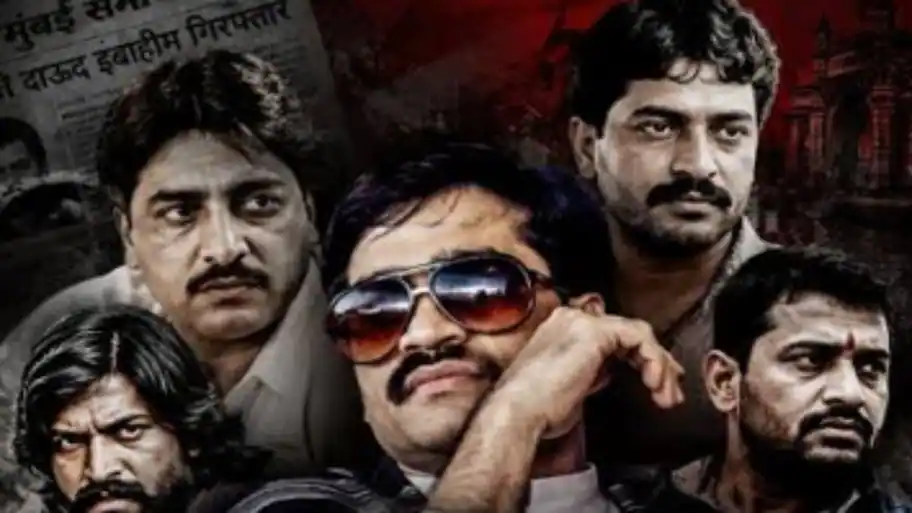
New Delhi: The gunshots targeting actor Tiger Shroff in Juhu proved that Bollywood’s worst nightmare is far from over. The industry lived in the shadow of underworld bosses like Haji Mastan, Dawood Ibrahim and Abu Salem for decades. Now that the Lawrence Bishnoi gang is taking aim at stars, the film industry is forced to ask whether a new cartel has taken over the old playbook.
The episode brings back memories of an era when gangland bosses ran Bollywood and squeezed money from actors and producers while dictating who got cast, who got paid and who got targeted.
Three motorcycle-borne assailants opened fire at Shroff’s car on Sunday (October 18) evening. The August 1997 murder of music giant Gulshan Kumar and the killing of producer Mukesh Duggal exposed the terrifying stakes. After filmmaker Rajiv Rai escaped an assassination attempt, Rakesh Roshan was shot outside his office in January 2000 following ‘Kaho Naa…
The actor escaped without serious injury, while his driver and another person were injured. An audio message claiming responsibility for the attack later appeared on social media. The purported attackers claimed to be associated with the Bishnoi gang. The Mumbai Police are investigating the case and is trying to establish the claims made in the audio. The purported threat also named Salman Khan and warned people in the film industry against working with him. The history stretches back decades. Its early chapters involved social contact and film financing. By the late 1980s and 1990s, extortion, threats and targeted attacks had become a major problem for parts of the Hindi film industry. He moved in Bollywood circles and invested in films. His association with the industry helped blur the line between celebrity culture and the criminal economy. Popular culture immortalised that era on the silver screen. Characters like Amitabh Bachchan’s Vijay in ‘ Deewaar ’ and Ajay Devgn’s Sultan Mirza in ‘ Once Upon a Time in Mumbaai ’ both borrowed from the shadowy allure of Haji Mastan. The connection between him and Deewaar is part of the film’s popular backstory, although the character belongs to a fictional narrative conceived by writers Salim-Javed. The underworld’s influence turned lethal as a string of high-profile attacks on industry stars left a trail of blood across Mumbai. Pyaar Hai’. Survival was no longer guaranteed, whether you were a top director, a veteran producer or a leading star.
The film’s story was also influenced by earlier Hindi cinema, including ‘ Gunga Jumna ’ and ‘ Mother India ’.
