
US President Donald Trump has ordered polygraph tests for around 50 senior military officers as his administration investigates the leak of sensitive information about American weapons stockpiles and military strategy. The move has sparked concern among former military judges and legal experts, with critics questioning whether such an investigation could undermine trust and morale within the US armed forces.
Around 1,500 to 2,000 officers and employees work within the organisation, which plays a key role in coordinating US military operations, policies and war plans. Investigators therefore identified around 50 officers for questioning. A polygraph, commonly known as a lie detector test, records physiological changes such as heart rate, breathing and sweating while a person answers questions. The test is intended to help investigators assess whether someone may be withholding information, although it is not considered completely reliable. Why did Trump suspect a leak? The investigation centres on reports about shortages of key US missile stocks during the conflict with Iran. American media reports, citing military sources, claimed that stocks of Patriot interceptor missiles had fallen significantly. There were also reports of declining supplies of long-range guided missiles. Other reports suggested there were disagreements within the Trump administration over the strategy for dealing with Iran. The administration considered the disclosure of such information damaging to national security, while Trump described the leaks as an act of treason. Defence Secretary Pete Hegseth, working with the Justice Department, subsequently formed a special task force to identify those responsible for leaking the information. Much of the detailed information about US weapons stockpiles is available only to a limited number of officials within the Joint Staff. They were asked whether they had provided journalists with information about ammunition and missile shortages. When the questioning failed to establish a clear lead, polygraph tests were carried out. An unusual move The concern is that the investigation could send a message to other officials that disclosing sensitive information to journalists or lawmakers could result in disciplinary action, even when the information concerns genuine operational problems. Tension inside the Pentagon
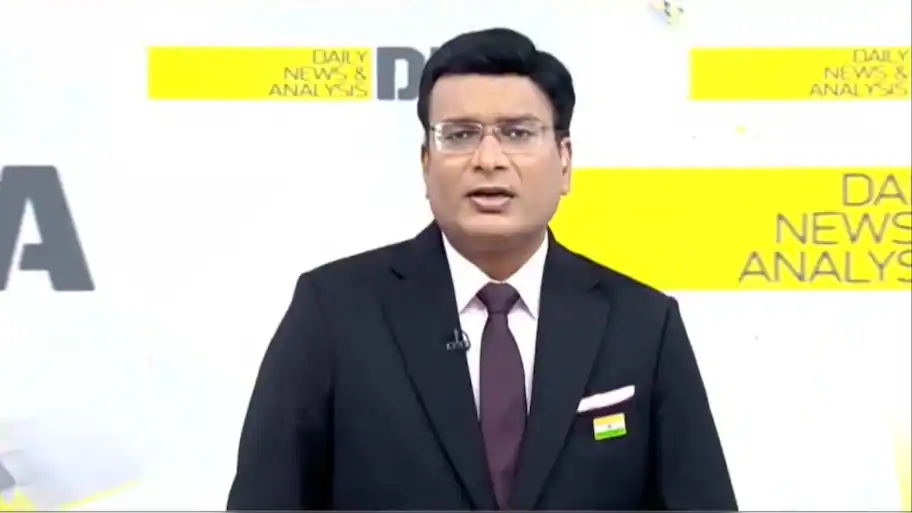
In today’s episode of DNA, Rahul Sinha, Managing Editor of Zee News, conducted a detailed analysis of the decision, the reasons behind the investigation, the results of the polygraph tests and the wider implications for the US military.
The issue has drawn criticism from within Trump’s own Republican Party. Republican Senator Thom Tillis has criticised Defence Secretary Pete Hegseth’s leadership, arguing that the approach could damage military morale. At the heart of the controversy is a fundamental question: how far can a president go in trying to prevent leaks without damaging the trust between political leaders and military commanders?
Polygraph tests are not considered 100 per cent accurate and are not routinely treated as definitive evidence in US courts. For the Trump administration, maintaining confidence in US military strength was therefore important both domestically and internationally. The tests have therefore failed to provide investigators with a clear breakthrough in identifying the source of the leaks.
The reported depletion of US missile stocks was interpreted by some as evidence of a potential weakness in American military preparedness.
Retired Navy judge Rear Admiral Donald Guter said he had never witnessed such a large-scale and humiliating polygraph examination of officers at such senior ranks during his career. None of the officers tested so far has failed the polygraph examination when questioned about leaking information to journalists, according to reports in the American media. The collective testing of senior American military officers, including generals and colonels, has been described by critics as highly unusual. Former Navy judges and legal experts have expressed concern over the scale of the investigation. The controversy is also linked to the potential consequences of the leaked information. If Iran was aware that American stocks of interceptor and offensive missiles were becoming limited, it could assess the US military’s ability to sustain operations differently. The reports also raised concerns for American allies in the Middle East, particularly as Iran carried out missile attacks in the region. Reports about dwindling weapons stocks, however, raised questions about America’s ability to sustain a prolonged military campaign. What did the polygraph tests find? The outcome has intensified criticism of the decision to subject senior officers to lie detector tests. Critics argue that officers were placed under suspicion despite the investigation failing to establish a direct link between them and the disclosures. Could the move affect military morale? The controversy has raised wider questions about the relationship between political leadership and the military chain of command. Critics fear that if senior officers believe that reporting operational weaknesses or uncomfortable information could expose them to accusations of disloyalty, they may become less willing to provide candid assessments to political leaders. That could be particularly serious during a conflict, when military commanders need to communicate accurately about weapons, battlefield conditions and operational limitations. Some critics have also argued that the polygraph investigation could create an atmosphere of fear inside the Pentagon. Reports of tension within the Pentagon have added to the controversy. Critics say officers may become more cautious in internal discussions if they fear that details of meetings could be leaked and responsibility subsequently assigned to them. There have also been concerns that excessive caution could affect the speed with which difficult military decisions are taken. For Trump, the investigation is about identifying the people responsible for revealing sensitive military information. For his critics, however, the bigger danger is that suspicion directed at senior commanders could weaken the very chain of command on which the US military depends.
