
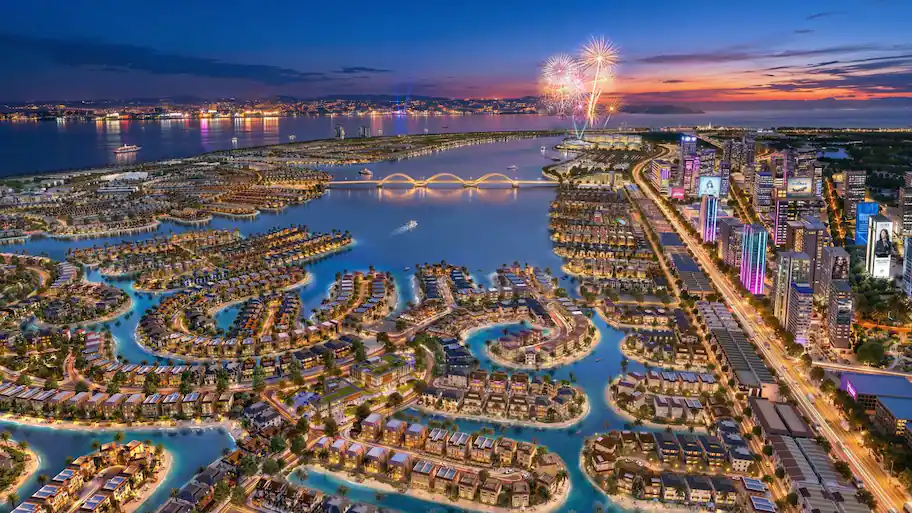
New Delhi: The next generation of smart cities in Asia may be moving away from the idea that only technology can make an urban development “smart”. Vietnam is now testing a model in which data systems, governance standards and climate resilience are incorporated into the planning of a new city before it begins full operations.
Resolution 57, issued in December 2024, identifies science, technology, innovation and national digital transformation as major drivers of development. Its 2030 goals include the development of smart cities in centrally administered cities and other provinces and cities that meet the required conditions.
Patricia McCarney, president and CEO of the World Council on City Data, said the project has established a foundational data system intended to support urban governance, infrastructure planning, technology use and sustainability goals. The system is expected to be monitored and evaluated annually. A greenfield model starts at a different point. Data architecture, digital services, resource management and urban infrastructure can theoretically be planned together rather than added to an existing urban system later. But that approach also has its own risks. A city designed around data still has to work for people. The IMD findings suggest that institutional capacity, infrastructure and governance can have a greater bearing on smart-city performance than only technology. It also calls for stronger national data infrastructure and greater use of digital data in governance.
One such experiment is underway in Can Gio, Ho Chi Minh City, where Vinhomes, a subsidiary of Vietnamese conglomerate Vingroup, is developing the 2,870-hectare Vinhomes Green Paradise project. That finding presents a different challenge for cities that are being built from the ground up. They do not have an established population whose experience can immediately be measured. The question is whether the same standards can be built into the city’s planning and data systems before residents move in.
