
BEIJING—Vivian Wei is shutting down her business. After more than a decade as a headhunter, work has dried up. The big Chinese tech companies that once paid Wei to recruit engineers by the hundreds have been laying off employees instead.
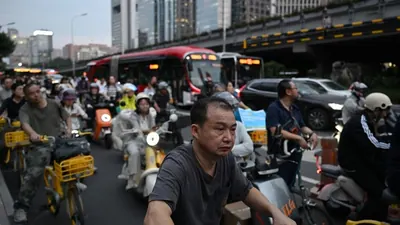
Exports surged 36% in September, putting China on track to surpass last year’s record $1.2 trillion trade surplus, thanks to surging demand for goods like electric vehicles and machinery. China’s gross domestic product expanded 4.5% in the third quarter compared with the same period last year, according to official data released Monday, up from the second quarter’s 4.3% growth and in line with Beijing’s target of 4.5% to 5% growth this year. Though China’s official urban unemployment rate has remained steady at around 5%, some economists believe the actual labor-market picture is hidden by a growing army of gig workers. The number of people in China with flexible employment—work without a permanent contract—is expected to grow to 320 million in 2026, accounting for more than 40% of urban employment, according to China New Employment Forms Research Center, a think tank.
Because many households have already made big purchases, it helped boost retail sales last year but has been less effective this year. That means China has to look abroad for economic growth, which is in turn raising tensions with trading partners. Exports have driven much of China’s economic growth this year. Economists at home and abroad have urged Beijing to implement policies to boost consumption and reduce reliance on exports. Recently, policymakers have rolled out measures such as mortgage subsidies and some new infrastructure investment, but have stopped short of the deep reforms and stimulus many economists believe are needed to rebalance the economy. One of Beijing’s main efforts to perk up spending in the past couple of years has been a program offering subsidies for consumers to replace old household appliances and other products with new ones.
