
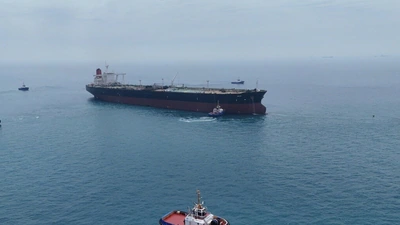
The oil supertanker Esteem Explorer is scheduled to sail from the US to Japan in late November, carrying around 2 million barrels of crude oil. The journey is expected to cost $81 million, compared with an average of $9.1 million for the same trip last year. Oil shipping costs have jumped sharply, making it more expensive to transport crude oil from the United States to Japan.
The cost of shipping each barrel of oil has increased to $40.50, around nine times last year’s rate. Every $10 increase in shipping costs per barrel adds around 23 cents per gallon to gasoline costs. Based on this estimate, the Esteem Explorer’s shipping cost works out to at least 80 cents more per gallon of gasoline than last year, according to Reuters’ calculations. Shipping now accounts for more than 40% of the price of US oil, compared with an average of just 7% in 2025. This calculation is based on Wednesday’s US oil price of around $95 per barrel and data from LSEG on shipping costs and oil prices. Rates for moving oil from these Middle Eastern routes to Asia climbed to around $34 per barrel this week, according to Reuters.
Because oil and fuel are needed to transport many of the products people buy, this is. rising transportation costs are adding further pressure to the final price of oil and its products, Reuters reported While higher oil prices are already worrying consumers.
Kenneth Medlock, a fellow in energy and resource economics at the Houston-based Baker Institute for Public Policy, said this increase can affect the price consumers pay for fuel. India, the Philippines and Indonesia are among the countries that could bear the brunt of higher transportation costs, Medlock said. This means that transporting crude oil is becoming a much bigger expense for companies. Higher shipping costs could make petrol, diesel and other everyday goods more expensive. Refineries turn crude oil into fuels used by cars, trucks, farm equipment and airplanes. These fuels are also important for moving food, retail products and construction materials. When transporting oil becomes more expensive, businesses may face higher costs, which can eventually push up prices for consumers. The impact of higher oil transportation costs may take time to reach consumers, but it could last longer if the situation continues. Medlock compared the process to a slow-moving train, explaining that the impact does not happen immediately. However, if high shipping costs continue, they could keep prices elevated at grocery stores, convenience stores and shopping malls. The sharp increase shows how much more expensive it has become to move crude oil from one place to another. Countries that depend heavily on imported oil are facing some of the biggest challenges. These countries rely on oil imports to meet their energy needs, making them more exposed to increases in international shipping expenses. Oil transportation rates from the Strait of Hormuz and the Red Sea to Asia have reached record levels. Shipping companies are adding extra charges to account for the risk of attacks on vessels.
