
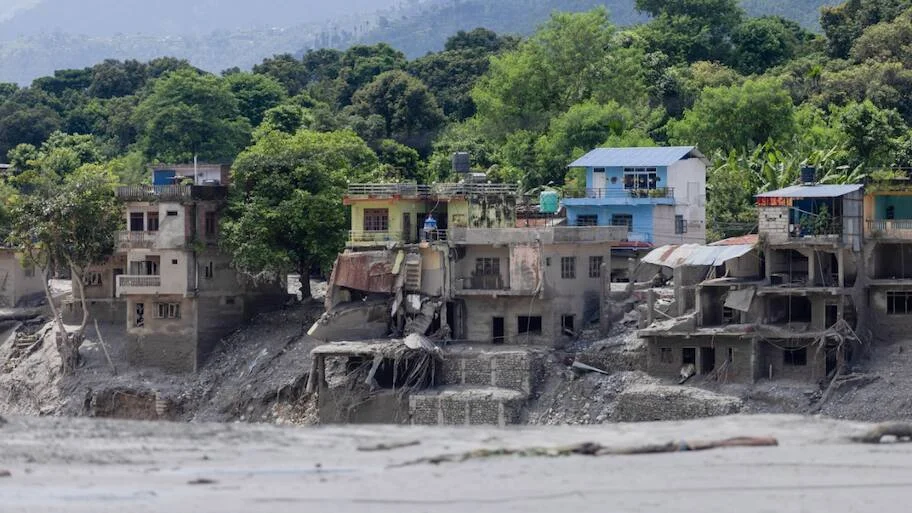
The government, led by PM Balen Shah, says its agencies are fully equipped to carry out the rescue work and has set up a central system to track information on the hundreds of foreign nationals still unaccounted for. Nepal has turned down offers of search-and-rescue teams and helicopters from India, China and several other nations following the devastating Bhote Koshi floods, choosing instead to rely on its own security forces to lead the operation.
Staying true to its Neighbourhood First policy, India moved quickly, sending 10 tonnes of humanitarian aid followed by a further 37.5 tonnes delivered via military transport aircraft. C-130J and C-17 planes carried temporary shelters, blankets, hygiene kits, solar lamps, medicines and food supplies. New Delhi has also offered Bailey and prefabricated truss bridges to help Nepal rebuild after dozens of bridges were washed away, a gesture that echoes India’s swift response during the 2015 earthquake. 668 tourists from 34 countries have been out of contact since the floods began, according to figures released by Nepal’s Department of Tourism. India reports that at least 290 of its citizens remain missing or unreachable.
Countries including India, China, the United States, the United Kingdom, Japan, South Korea, Sri Lanka and Bangladesh all put forward offers of search-and-rescue support, either through official channels or informal approaches, according to Kathmandu-based outlets The Kathmandu Post and Hamro Patro. This “one-door mechanism” is designed to centralise donations, prevent duplication and let the government decide where funds are needed most urgently. The ERT, according to the foreign ministry, is meant to serve as the main coordinating body for search efforts, rescue operations, information verification and consular support for foreign nationals caught up in the disaster.
Kathmandu has not shut the door on foreign help altogether. It continues to accept relief supplies and financial donations channelled through official government routes, but has drawn a firm line at foreign rescue personnel operating on the ground. Several international organisations made similar offers, with some governments proposing to send helicopters along with personnel trained for disaster response. To keep things organised, Nepal has instructed its overseas missions to direct financial contributions solely through the Prime Minister’s Relief Fund. The foreign ministry has also set up an Emergency Response Team (ERT) dedicated to handling cases involving foreign nationals.
India’s Ministry of External Affairs spokesperson, Randhir Jaiswal, acknowledged this distinction, noting that New Delhi is responding strictly according to Nepal’s specific requests.
