
Meanwhile, it is close to reaching an agreement with Oman on a new system for managing commercial traffic through one of the world’s most important energy routes. The proposed deal would create new shipping lanes and give Tehran and Muscat shared responsibility for managing traffic.
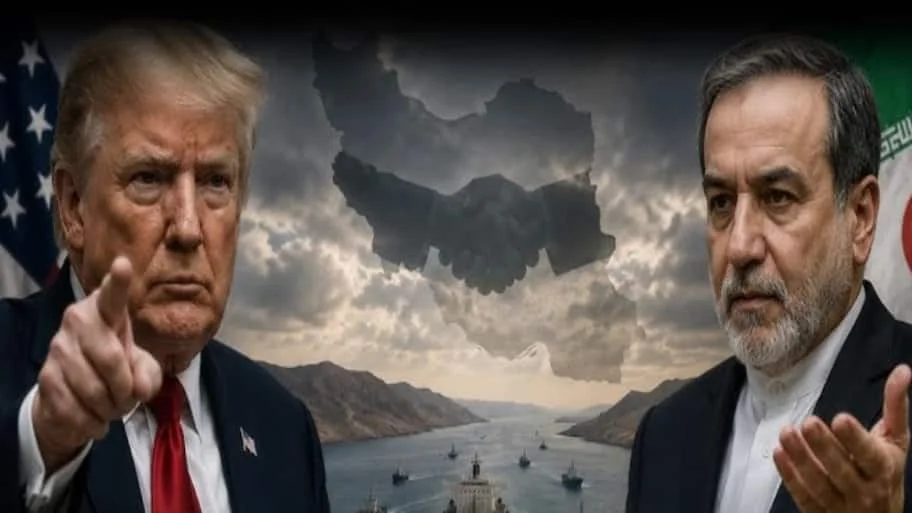
New Delhi: Iran has put six demands before the United States as a condition for reopening the Strait of Hormuz.
Key Statements
Iran’s Foreign Minister Abbas Araqchi said on August 9 that Tehran would not enter direct talks with Washington while the United States was violating the interim agreement reached in June. He also confirmed that messages were being exchanged indirectly through intermediaries. A US official told Reuters that Washington expected a deal between Iran and Oman to be announced shortly and said the aim was to allow commercial ships to pass through the Strait without obstruction.
The official added that any US move to lift its blockade would depend on Iran fulfilling its commitments under the agreement.
Tehran’s position is that these conditions must be addressed before the Strait of Hormuz can return to normal commercial traffic.
Why the Strait of Hormuz is important
The US Energy Information Administration estimates show that around 20 million barrels of oil a day passed through the Strait in 2025. EIA estimates for 2022 showed that about 82% of crude oil and other petroleum liquids passing through the Strait were headed for Asian countries. China is also a major buyer of Iranian oil, taking around 90% of Iran’s total oil exports according to the data cited in the original report. The June memorandum had included a commitment for the United States to end its blockade within 30 days, according to the terms cited by Iranian officials.
Any prolonged disruption therefore has implications for Asian refiners, international oil prices and shipping companies.
Iranian officials have said the agreement with Oman is nearing completion, but Tehran has also made clear that the deal by itself will not reopen the waterway. He said Washington must change its approach towards Tehran before the waterway can be reopened. A large share of that oil was headed to Asian markets. The six demands were listed in a statement published by Iran’s state broadcaster IRIB by Mohammad Bagher Zolghadr, a former secretary of Iran’s Supreme National Security Council and an adviser to Supreme Leader Ayatollah Ali Khamenei. Iran’s third demand is the removal of the naval blockade and the withdrawal of US naval and air forces from areas around it. Tehran is now making that step a direct condition for the reopening of Strait.
