
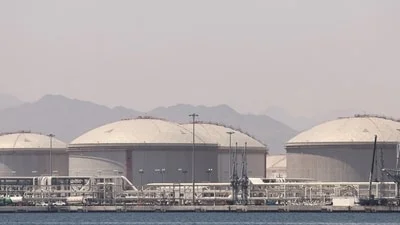
DUBAI—Persian Gulf energy producers are concluding that Iran’s control over the Strait of Hormuz will become permanent, disrupting their oil and gas exports and global energy supplies indefinitely.
Key Factors
But Gulf officials said the region sees the agreement as preferable to further military action between the U.S. and Iran, which would put Arab states’ energy infrastructure at risk. Iran’s rivals in the Gulf don’t like the deal now under consideration to crack open the vital waterway that formalizes Iranian oversight of inbound ships.
Outlook
Oil prices turned higher Monday, with international benchmark Brent crude futures trading around $87 a barrel. The U.A.E.’s state oil company Adnoc said out of 16 of its ships struck since the beginning of the war, four were hit by missiles or drones this past week. Iranian Foreign Ministry spokesman Esmail Baghaei said Monday the strategic waterway won’t be opened until the U.S. stops and makes amends for aggressive actions including the blockade of Iran’s ports.
Iran has demanded financial relief and a prohibition on American and Israel warships in the strait, and on the other side the U.S. has refused to entertain an agreement that allows Tehran to place impediments on shipping, the mediators said. A near-term deal to reopen the strait could ease Gulf energy shipments but wouldn’t remove the threat, said Ellen Wald, senior fellow at the Atlantic Council’s Global Energy Center. Negotiations on the deal, which promises to release energy shipments through Hormuz, have stalled in recent days. Iran’s top leadership is now weighing the deal to begin reopening the strait, but officials are signaling a tough bargain. Such language points to the hurdles for even minimal agreements before getting to more difficult questions like Iran’s nuclear program. Gulf officials are resigned to the likelihood any deal with Iran would leave intact its missile program and support for allied militias around the region, its main threats to their security. Those gains have been eroded by Iranian attacks.
