
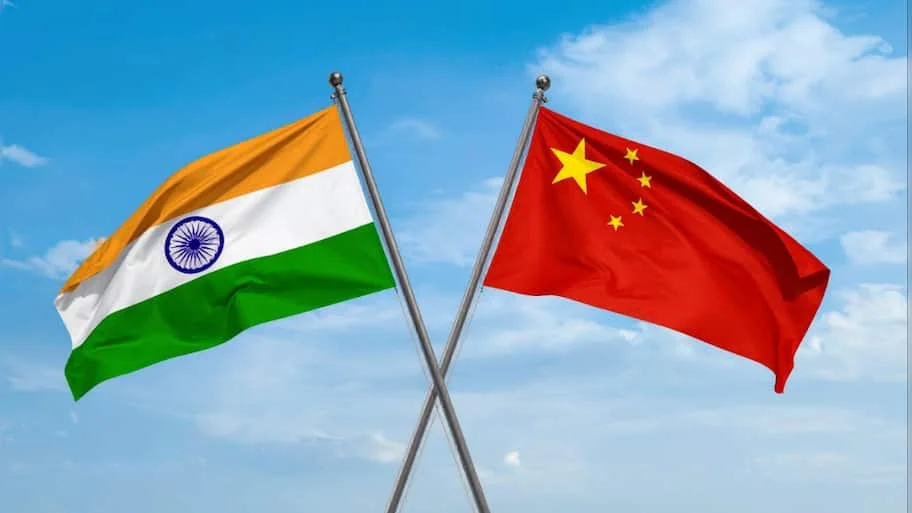
NEW DELHI: A fresh row has broken out over alleged Chinese activity along the Line of Actual Control in Arunachal Pradesh, after a regional party’s fact-finding team claimed the People’s Liberation Army has been quietly tightening its grip on patrolling points in the Taksing sector. The government, for its part, has brushed aside the allegations, but the row is only the latest chapter in a dispute whose roots go back more than a century.
The People’s Party of Arunachal, a regional outfit founded in 1977 that currently holds two seats in the state’s 30-member assembly, sent a four-member committee to Taksing on 10 July 2026. The row comes just as India pushed back against Chinese objections to New Delhi formally naming 27 locations in Arunachal Pradesh on its maps, insisting the state is an inseparable part of the country. He also said the union’s ‘Taksing Chalo, Bharat Bachao’ tour would culminate on August 15 with the hoisting of the national flag.
Because no formal demarcation exists, India and China each patrol according to their own understanding of where the line runs. Overlapping claims mean patrols from both sides periodically meet, face off, or clash in remote stretches like Taksing, and it is this structural gap, not any single incident, that keeps producing episodes such as the one now being reported by the PPA.
Beijing regards Tibet as historically part of China, and by extension views Arunachal Pradesh as territory that belonged to Tibet before the British drew their line, referring to the state as “South Tibet” and claiming roughly 90,000 square kilometres of it. External affairs ministry spokesperson Randhir Jaiswal said India’s stance on Arunachal Pradesh has not shifted. Chinese foreign ministry spokesperson Guo Jiakun said the border situation remains generally stable when asked whether the PLA had stepped up activity near Arunachal Pradesh. Earlier reporting noted: AAPSU president Meje Taku said his team’s tour to Taksing was planned to draw greater attention to border security, connectivity, and infrastructure in remote areas. Earlier reporting noted: “The people and youth of Arunachal Pradesh will not accept any attempt to undermine the country’s territorial integrity,” Mr. Taku said, calling for stronger security measures along the frontier. Earlier reporting noted: The AAPSU said it would prepare a ground assessment report based on its team’s visit and submit it to the Central and Arunachal Pradesh governments, seeking stronger security arrangements and faster implementation of development projects in the frontier villages.
China’s claim over the region rests on a different premise. India rejects this outright, pointing to Arunachal Pradesh’s long-standing status as an Indian state with its own elected government and population. The team was led by former minister and PPA chief adviser Kahfa Bengia, and included vice-president Kaling Jerang along with secretaries Sorang Kiokam and Narah Jimmy. Senior ministers have also weighed in at the highest level. External Affairs Minister S Jaishankar and Defence Minister Rajnath Singh met at the Defence Minister’s office in Parliament amid the growing noise around the claims. Beijing, meanwhile, has struck a calmer tone. The PPA’s report is not an official military or government assessment, and New Delhi has issued no formal statement addressing it directly. But it has pulled fresh attention toward one of Arunachal Pradesh’s most remote frontier belts, reviving a long-running argument over how much ground India may be quietly losing along a border that China has never fully accepted.
