
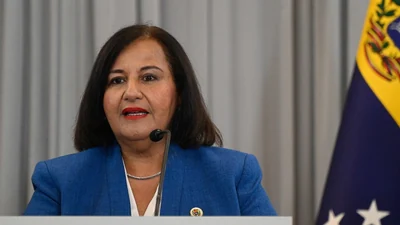
CARACAS—When Dinorah Figuera first sat down for talks on restoring democratic institutions here, she faced one of the most powerful figures in the autocratic regime that drove her into exile.
“I am not afraid of you,” she said she told Jorge Rodríguez, a longtime loyalist of former leader Nicolás Maduro who heads Venezuela’s legislature and brother of interim President Delcy Rodríguez. “Especially with the United States backing me.”
Six months ago, the 65-year-old doctor and former Venezuelan opposition lawmaker was caring for elderly people in Spain to make ends meet. The Venezuelan pollster Meganalisis last month found that more than 80% of respondents distrusted the talks.
The ultimate goal of holding a free and fair vote is “baked into this,” a senior U.S. official working in Venezuela said. The officials insisted the process is “purely Venezuelan-led” with the U.S. The support includes covering the opposition delegation’s travel, hotel accommodations, and per diem expenses, the senior State Department official said. ” she says she understands why it was necessary, citing the opposition’s lack of control over the military and other government institutions While she admits the American decision to keep Rodríguez in power “was a shock to all of us. A similar percentage of respondents said they didn’t expect to benefit from the talks. This week Figuera met Delcy Rodríguez herself at the presidential palace in an encounter broadcast on state television, drawing criticism from some opposition figures who said it played into the government’s hands.
Her house back home had been seized, she had been accused of treason, and a close political ally had been tortured and killed in government custody. Then a senior State Department official called to enlist the little-known opposition leader for an unlikely assignment: return to Venezuela to negotiate a democratic transition with the same people who had driven her from the country. The two sides have taken initial steps toward political and judicial reforms. The government has eased some restrictions on independent media and agreed to review laws limiting political rights. Figuera is counting on Washington to use its significant leverage over former Maduro officials to secure a free vote While they have yet to agree on a timetable for presidential elections. U.S. officials say they are confident the transition talks—set for a fourth round in November—are producing results, and say that their cooperation with the interim government is laying the groundwork for eventual elections. “facilitating and accompanying the process. In Figuera, U.S. officials found an opposition negotiator willing to accept the difficult compromises at the center of Trump’s plan for Venezuela. It isn’t a popular position to hold.
“We know that what Venezuelans want is elections,” said Figuera, who headed the opposition-controlled National Assembly elected in 2015, which Washington still recognizes as the country’s last freely elected legislature. U.S. officials have intervened when talks encounter resistance, according to opposition leaders. “But we’ve struggled to explain this road map to people. But Washington is far from a passive participant. Trump officials helped design the negotiating framework and recruited Figuera to come back from exile to lead the opposition delegation.
