
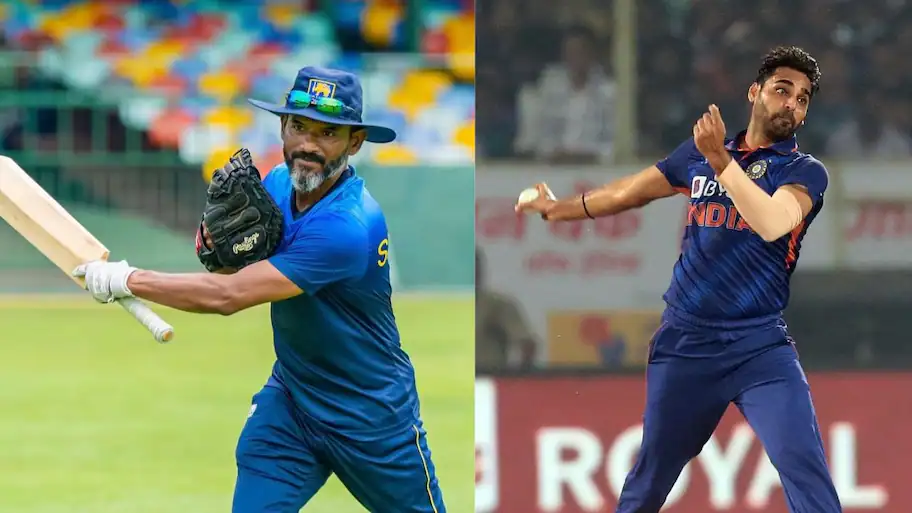
India are set to begin their all-format tour of New Zealand on October 22, with a five-match T20I series followed by five ODIs and two Test matches. As the Indian team prepares for the challenging assignment, former India fielding coach Ramakrishnan Sridhar believes that adapting to the conditions will be an important factor, particularly for the bowling attack.
“I think with regards to white-ball, there will be very little adaptations to make because they make really flat pitches to make the cricket entertaining,” Sridhar said. “It’s like dangling the carrot to the batters where, you know, they go for a shot and make an error,” he added. “And Bhuvi is going to love bowling on these pitches,” he said.
Speaking to Zee News Digital, Sridhar recalled India’s previous experience in New Zealand and explained why conditions during the upcoming tour could influence bowling strategies. Sridhar compared the approach to tempting batters into taking risks, creating opportunities for the bowling side to capitalise when they get their execution right. Sridhar also highlighted Bhuvneshwar Kumar’s potential effectiveness in such conditions, suggesting that the experienced Indian seamer could enjoy bowling on New Zealand pitches.
The ODI leg will be particularly significant as both teams continue their preparations for the 2027 ICC Men’s Cricket World Cup, scheduled to be held in South Africa, Zimbabwe and Namibia.
And that is why having Bhuvi there in that lineup makes a big difference,” Sridhar said. “The name of the game, like I said earlier, is adaptation,” he added. The former India fielding coach stressed that the quicker India’s bowlers adapt to the right lengths, the better their chances of making an impact during the tour. He also underlined the value of having a bowler who can exploit the conditions. “So, the quicker our bowlers adjust to the length, that would be better. Summing up his assessment, Sridhar reiterated that adaptability would be central to India’s approach as they prepare for the challenge in New Zealand.
