
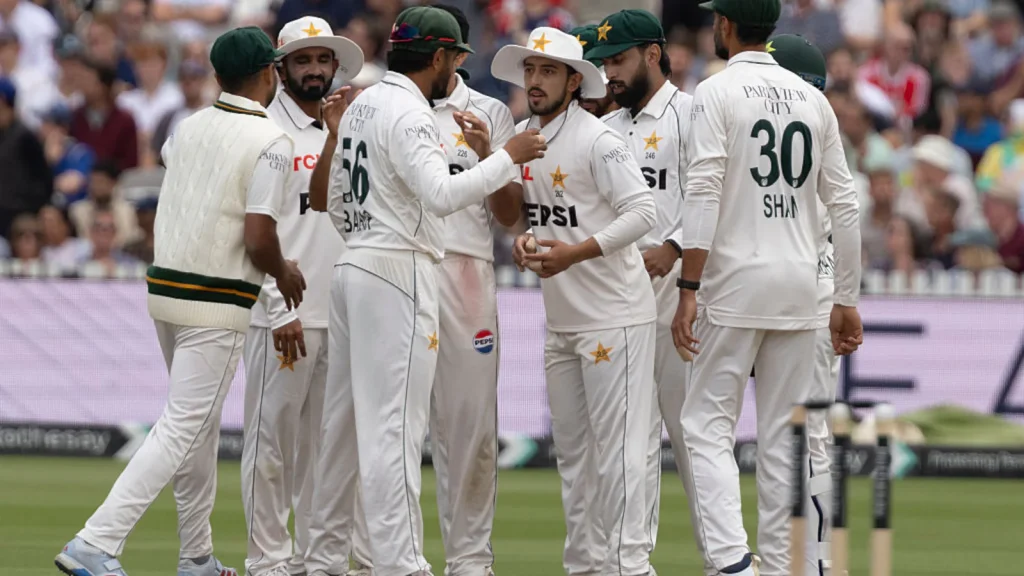
Pakistan have already lost the first two matches after enduring severe batting collapses in both games. Pakistan cricket is going through one of the darkest phases in its history. Babar Azam and Co. are on the verge of suffering a humiliating whitewash in the three-match Test series against England. Matters worsened further when the Pakistan Cricket Board (PCB) decided to make changes to the squad midway through the series, recalling several players and even making alterations to the coaching staff. The move left many cricket experts and fans stunned.
For the uninitiated, in March 2009, fourteen masked and heavily armed gunmen attacked the visiting Sri Lankan team in Lahore, killing six policemen and injuring seven players and officials. Following the 2009 attack, our cricket shifted to the UAE, and our national academies, training centers, and grounds remained dormant until 2018-2020. For nearly 15 years, there was no infrastructure upgrade-not even basic pitch preparation or facility improvements,” said Aaqib Javed.
As Pakistan continue to face embarrassment due to the ongoing turmoil, national selector Aaqib Javed claimed that the 2009 terrorist attack on the Sri Lankan cricket team in Pakistan is one of the root causes of the country’s decline in the sport.
However, established players have a duty to play first-class cricket to maintain their red-ball standards,” he said. Five Sri Lankan cricketers, Mahela Jayawardene, Kumar Sangakkara, Ajantha Mendis, Thilan Samaraweera, and Tharanga Paranavitana, were among those injured in the attack. “Pakistan cricket’s decline didn’t happen overnight, nor is it simply about a PCB chairman coming or going. It is the result of years of neglected player development. Javed also argued that the rapid growth of T20 leagues and franchise cricket has contributed to Pakistan’s recent struggles in international cricket. “The biggest damage to our red-ball cricket has been the excessive attraction and player focus towards franchise T20 leagues. That is where the money, fame, and lure are. Once players become established, their priorities shift. “We are now enforcing mandatory four-day domestic cricket participation in central contracts. Ultimately, players must take responsibility for their own game and decide whether they want to prioritize red-ball excellence or just T20 cricket,” he added.
