
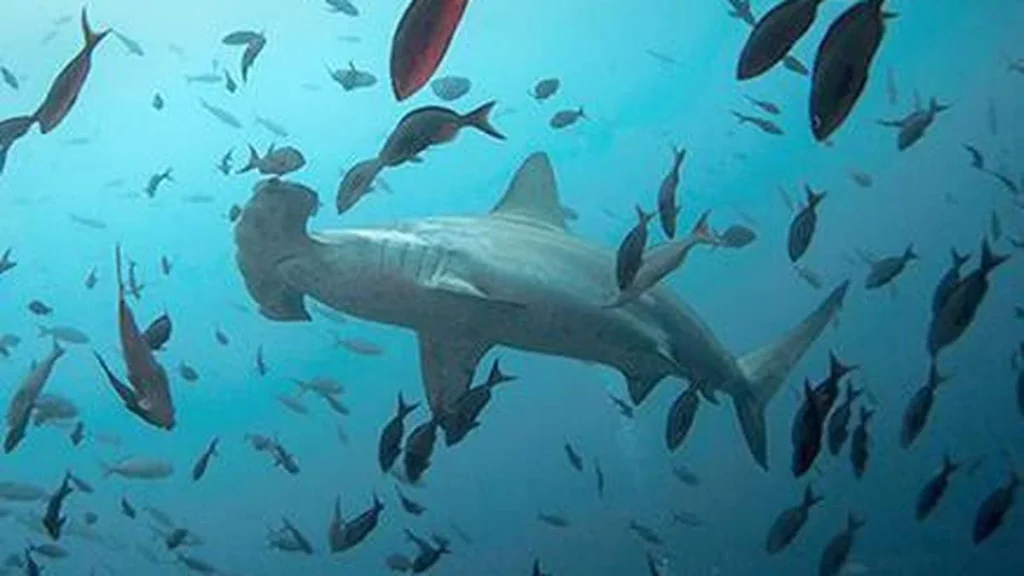
From the killer shark of Jaws to the tornado-tossed predators of the Sharknado movies, films long have portrayed sharks as objects of summer fear. But when a shark cuts through the waters off the U.S. East Coast, it now may be doing more than hunting. It may also be gathering data that helps scientists understand the potential intensity of a hurricane before it makes landfall.
Key Factors
Because they are abundant, widely distributed and easier to access than many protected marine mammals, Carlisle said, sharks offer a new opportunity in such research. The University of Delaware researchers select sharks that can collect the measurements most useful for hurricane research, and favor species that surface often enough for their tags to transmit the information to satellites. Previous analyses identified shortfin mako sharks, blue sharks, smooth hammerheads and juvenile great white sharks as strong candidates for such research in the North Atlantic.
Evidence and Data
University of Delaware researchers are testing whether sharks can serve as mobile near-real-time ocean-data observers, carrying sensors that measure ocean conditions to inform oceanographic, atmospheric and climate models. “The tags are attached to the dorsal fin. The tagging is carried out under institutional animal care oversight to minimise impact on the sharks. The tags are attached using materials designed to corrode and fall off over time.
Researchers head 50 to 65 km offshore aboard a research vessel, deploy baited lines and wait, typically two to three hours, for a shark to take the bait, Wiernicki said.
The tagging process begins in early May, when highly migratory species move closer to the coast from their winter habitats further out in the Atlantic, according to Caroline Wiernicki, a University of Delaware doctoral candidate in marine science. Then every time the shark fins (swims) at the surface, the tag can communicate and transmit data to the orbiting network of satellite receivers,” Carlisle said. Each animal also undergoes a health check before release, as a stressed or harmed shark may not behave naturally, potentially biasing the data, Carlisle said.
