
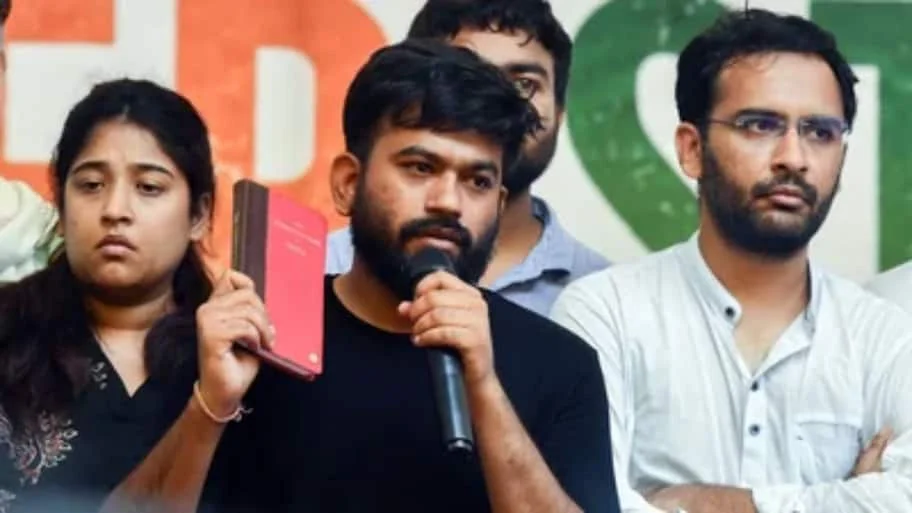
New Delhi: The name may sound unusual, but the political pressure being created by the Cockroach Janata Party (CJP) is getting difficult to ignore. The group, which began as a social media campaign, has spent the past three months trying to influence public issues without contesting elections or claiming to be a conventional political party.
It has claimed two major successes: the resignation of Union Education Minister Dharmendra Pradhan following the NEET paper leak controversy and the reversal of a decision by the Bar Council of India (BCI) that had stopped the enrolment of 2026 graduates of NALSAR University of Law. Its ‘School Theek Karo Abhiyan’ (fix the schools campaign), which was launched on August 15, raises a question about whether the group can continue to influence institutions without entering electoral politics. Now, the CJP has turned its attention to government schools.
The BCI directed state bar councils not to enroll NALSAR University of Law’s 2026 graduating batch as advocates after some students opposed the invitation extended to Chief Justice of India Surya Kant to attend the university’s convocation. Around 94,000 schools have been closed in the country in the last few years. Even after 80 years of independence, we have not been able to provide good schools for our children,” he wrote.
Its recent confrontation with the BCI offers an example of how fast that pressure can build. CJP’s latest campaign targets government schools, an issue that affects millions of families but often receives less political attention than political controversies. He added, “We want the people of this country to lead this campaign. Government schools have been ignored since independence. Children living in villages have deliberately been deprived of education. This appears to be an attempt by the government to keep the country’s children powerless. Since the campaign began, the CJP has been posting videos showing the condition of government schools in different parts of the country. After launching the campaign, Dipke posted a video on X from a village where he had attended an Independence Day flag-hoisting ceremony. “I had the opportunity to come to the village and hoist the national flag. I am very proud of that, but I am also saddened to see the condition of the government school here.
This leaves the CJP facing a difficult choice about its future. As a pressure group, it can focus on individual issues, build online campaigns and demand answers without having to present a complete political programme. It can also criticise both the government and opposition-ruled states over the condition of schools. A political party would also have to answer tougher questions about who would govern, how policies would be funded, who would contest elections and how it would respond when its own decisions come under scrutiny.
