
Further deepening the Election Commission of India controversy around dissent, a new issue has emerged over the Special Summary Revision (SSR), an exercise aimed at ensuring the inclusion of newly eligible 18-year-old voters in the electoral rolls.
The regular SSR has not been conducted since the 2024 cycle, according to the Economic Times report. Meanwhile, the 2026–27 SSR, which is normally announced in May or June, has also not been announced, causing a delay in the routine process of updating voter lists and bringing newly eligible 18-year-olds onto the rolls. Taking to his X account, Ramesh said, “PM has ensured that the Special Summary Revisions of electoral rolls has been stopped since 2024 to ensure that Gen Z voters are not enrolled.
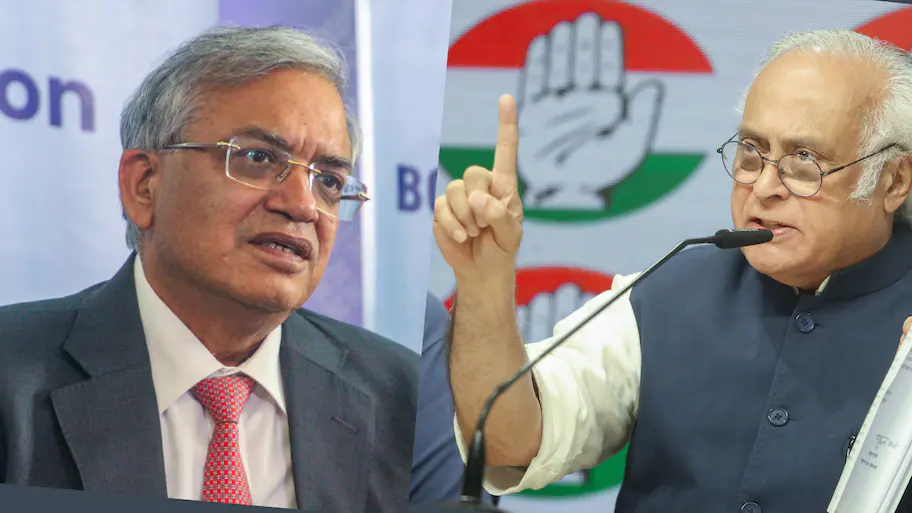
Following the report, Congress leader Jairam Ramesh targeted Prime Minister Narendra Modi, accusing him of being fearful of ‘Gen Z’ voters. This is a PM who fears the youth having dashed their hopes and aspirations.”
Under Section 21 of the Representation of the People Act, 1950, electoral rolls are required to be revised before every Assembly election or by-election. The Election Commission of India (ECI) said that both SSR and SIR are conducted under Section 21(3) of the RP Act, 1950, and both are optional, according to a report in The New Indian Express. The 2.73 crore figure covers voters between the ages of 18 and 28, including first-time voters as well as young electors who were already eligible to vote but were subsequently added to or updated on the electoral rolls. Earlier reporting noted: “As per the amendment in Section 14 of the RP Act, 1950, in 2021, read with Section 19 of the RP Act, 1950, any person whose name is not on the electoral rolls or attains 18 years of age on January 1, April 1, July 1 or October 1 can register as a voter without waiting for any kind of revision, as a part of regular updation of electoral rolls. Both Special Summary Revision (SSR) and Special Intensive Revision (SIR) are done under Section 21(3) of the RP Act, 1950 and are optional. Earlier reporting noted: The four qualifying dates were introduced after an amendment to Section 14(b) of the Representation of the People Act. An eligible citizen who has completed, or is completing, 18 years on any of the four dates can submit an advance application in Form 6.
There is no legal requirement to hold both together,” the officials said. The application is processed in the relevant quarter in which the applicant attains the qualifying age.
Earlier reporting noted: The poll body officials, however, disputed that characterisation, pointing to the continuous updation of electoral rolls, under which eligible citizens can apply for inclusion even outside an annual revision.
In this exercise, the authorities enrol people who have newly become eligible to vote, allow eligible citizens to apply to get on the rolls, fix mistakes in the existing lists, update personal details, sort out mismatches or discrepancies, refresh photographs and other information on the rolls, and invite the public to file claims or objections.
