
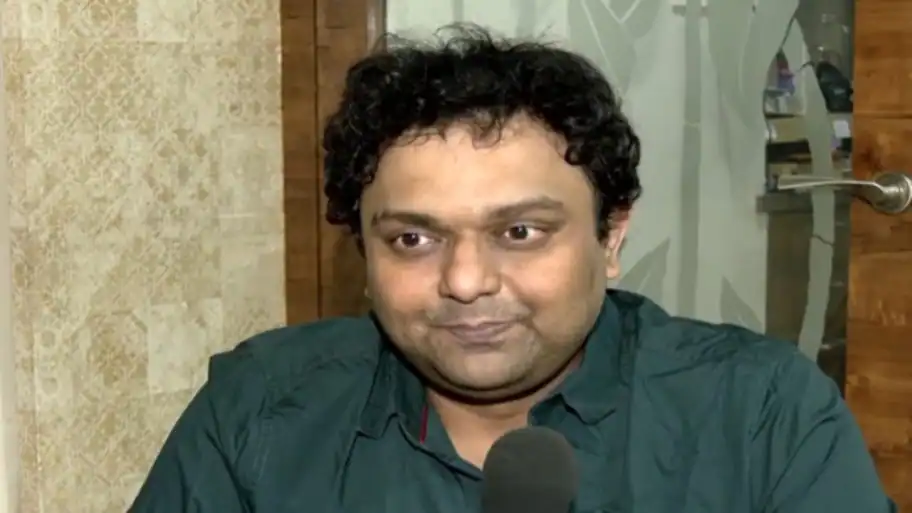
New Delhi: Prime Minister Narendra Modi featured Mumbai-based Krishna Sheshadri in the 137th episode of his monthly radio programme ‘Mann Ki Baat’ on Sunday (August 30). They discussed a website Sheshadri created to make Indian history easier and more interesting to explore.
Modi said the initiative is not meant only for students of history. He said it can help anyone learn about India’s past in a more interesting way. Its goal is absolutely clear: drug-free youth; a drug-free India,” Modi said. Earlier reporting noted: He said the campaign received significant participation, particularly from young people, and stressed the wider impact of drug addiction. “Drug addiction does not just engulf a single individual; the entire family and society have to bear the consequences,” he said.
During the conversation, the prime minister praised his work and asked him four questions about the idea behind the website and his interest in Indian history. He initially appeared nervous while speaking to the prime minister, but soon settled into the conversation.
Earlier reporting noted: “The ‘Nasha-mukt Yuva for Viksit Bharat’ campaign is currently gaining momentum rapidly across the country. Earlier reporting noted: PM Modi focuses on drug-free India, women’s empowerment in Mann Ki Baat Prime Minister Narendra Modi on Sunday called for a drug-free India and urged young people, musicians, students, theatre groups and content creators to use their creativity to spread awareness against addiction, as he focused on youth and women in the 137th episode of his monthly radio programme Mann Ki Baat .
What has Krishna Sheshadri created?
“A short while ago, someone wrote on social media, ‘On the auspicious occasion of Ashadhi Ekadashi, I am extremely pleased to announce that I am beginning my effort to make history interesting,’” Modi said. I also found it quite interesting,” he said. Explaining his thinking to PM Modi, Sheshadri said, “As you know, Indian history is taught in our schools and colleges from the perspective of a particular empire or state. “That is why we know less about many of our other great empires, such as the Cholas, Pallavas, the Karkota dynasty of Kashmir or the Ahoms in Assam, who preserved their culture and values for at least 600 years,” he said. PM Modi said Sheshadri’s effort can help people understand the past in a way that goes beyond students studying history as a subject.
the prime minister recalled a social media post that had caught his attention While talking about Sheshadri’s work during the programme. He then explained what he found interesting about the idea behind the website. “The idea is very simple. Go to this website and choose any year. You can easily find out who ruled which part of India at that time. He then played his phone conversation with Sheshadri for listeners of the programme. During the exchange, Sheshadri explained how the website works and what led him to create it. He has created BharatRajya.com, a website designed to give users a simple way to explore different periods of Indian history. The website allows users to select a year and see which kingdoms or rulers controlled different parts of the Indian subcontinent during that period. The format gives users a way to look at history across regions at the same time instead of following only one dynasty or empire. The idea came from Sheshadri’s view that Indian history is taught through the story of a few major empires. He believes this leaves many other kingdoms and dynasties outside the debate. And there is also too much focus on those empires. He then named several dynasties that he believes deserve greater attention. His website brings information about such kingdoms together in one place, allowing users to explore their place in Indian history by selecting different years. The idea behind BharatRajya.com is to make historical information easier to explore without requiring users to begin with a particular dynasty, ruler or textbook chapter. A person interested in a specific year can use it to see what was happening across different parts of India during that period. The approach can also help users understand that several kingdoms and political powers existed across the subcontinent at the same time. His conversation with Sheshadri gave the website a national audience. Modi’s four questions covered the idea behind the project and why Sheshadri decided to create a digital resource on Indian history.
