
By- Adv. Nivedita Singh
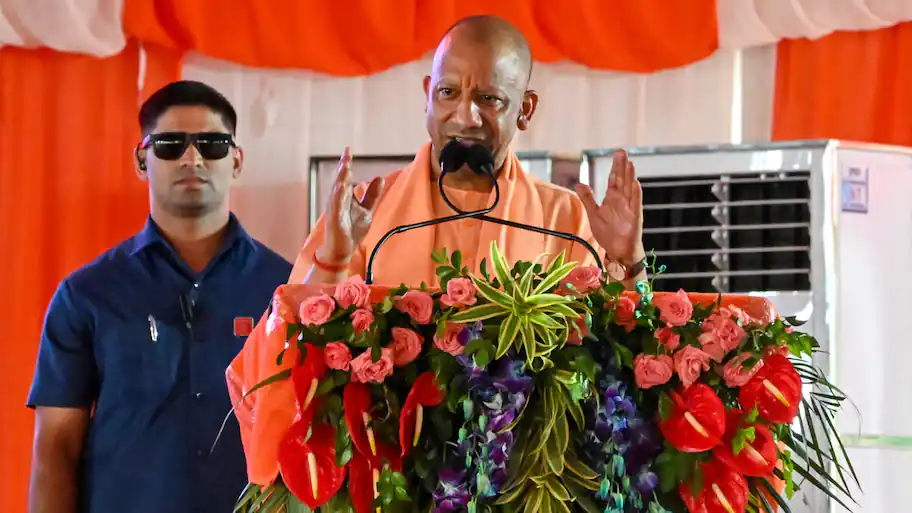
The Chief Minister placed 25 June 1975 beside 15 August 1947 and 26 January 1950 as a date that still matters to Indian democracy.
The state has cyber police stations in all 75 districts and cyber help desks in 1,583 police stations; under “AI Pragya,” ten lakh young people are being trained. An advocate’s greatest capital, he said, is credibility. Supreme Court Justice Vikram Nath told the graduates that a degree is not a destination but the start of a new journey. Success, he said, would be measured by how much positive change a student brings to other people’s lives.
The Emergency, he argued, taught the difference between the rule of law and the rule of a ruler. The tools are being built. The warning is that the tool must not become the driver. Students were urged to stand against injustice, stay rooted, and keep studying. They were asked to help settle land and family disputes in the villages. If pressure came to do the wrong thing, principle was not to be traded. The advice is ordinary in a speech and exacting in practice. The real examination of education begins outside the university. He called for constitutional values, compassion and sensitivity to be lived, not only recited. Allahabad High Court Chief Justice Arun Bhansali noted the university’s particular place in legal education and its contribution to the judiciary, to teaching and to public service. He expressed the confidence that students would carry high standards and tradition forward and strengthen the rule of law. (Nivedita Singh is a practising advocate at the Allahabad High Court and is actively engaged in work on women’s rights. She writes on contemporary issues and current affairs. The opinions expressed above are the personal views of the author and do not reflect the views of Zee Media)
