
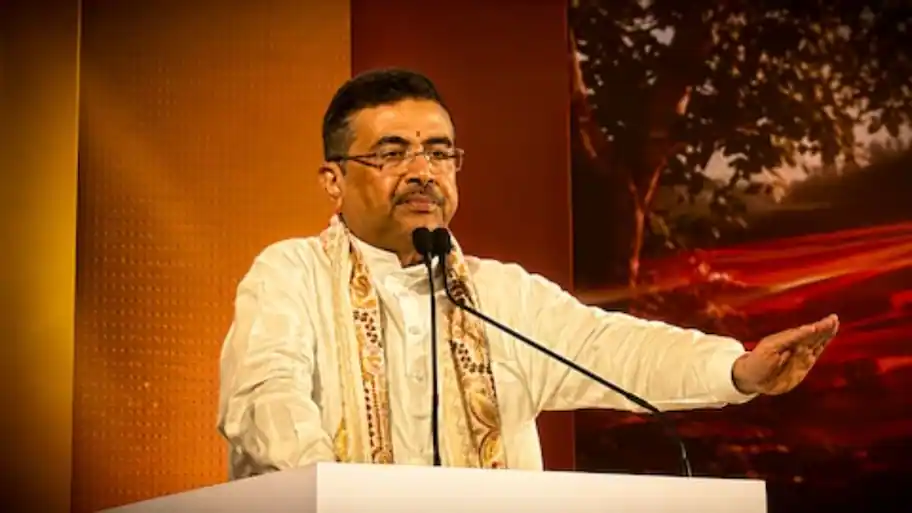
Kolkata: West Bengal Chief Minister Suvendu Adhikari announced a six-point plan for the state at Zee 24 Ghanta’s Mega Conclave ‘Sarkar 100 Din’ on Tuesday (August 25). The plan includes measures for reviving industries, reviewing government decisions and examining alleged corruption.
Held to mark 100 days of the Bharatiya Janata Party (BJP)-led West Bengal government, the event brought together members of the state Council of Ministers, senior political leaders, legislators and other well-known personalities to talk about governance, jobs, welfare, education, security and tourism. Adhikari said the first 100 days were too short to judge the government’s overall performance and described the period ahead as a time to address problems inherited from the previous administration. “Performance evaluation cannot be done in 100 days.
Now, Bengal has to become self-reliant,” he said. Now is the time to heal the wounds. After coming to power, I saw that the previous government had left the state bankrupt. A major announcement at the event was the formation of three specialised committees covering industrial closures, administrative and policy decisions and alleged corruption under the previous administration. Industry, Commerce and Enterprises Minister Tapas Roy will head the committee looking into industrial closures and the preparation of a new industrial policy. Finance Minister Swapan Dasgupta will head another committee dealing with alleged corrupt practices, while Chief Secretary Manoj Agarwal will lead the panel examining policy decisions taken by the previous government. The industrial question has long featured in West Bengal’s political debate, particularly around land, investment and employment. The new government’s proposed industrial policy is intended to address these issues and encourage businesses to set up and operate in the state. The conclave also gave the government a public platform to present its plans and explain the issues it intends to address. Political leaders, ministers and legislators took part in discussions that brought different aspects of West Bengal’s policy and political landscape into one forum.
