
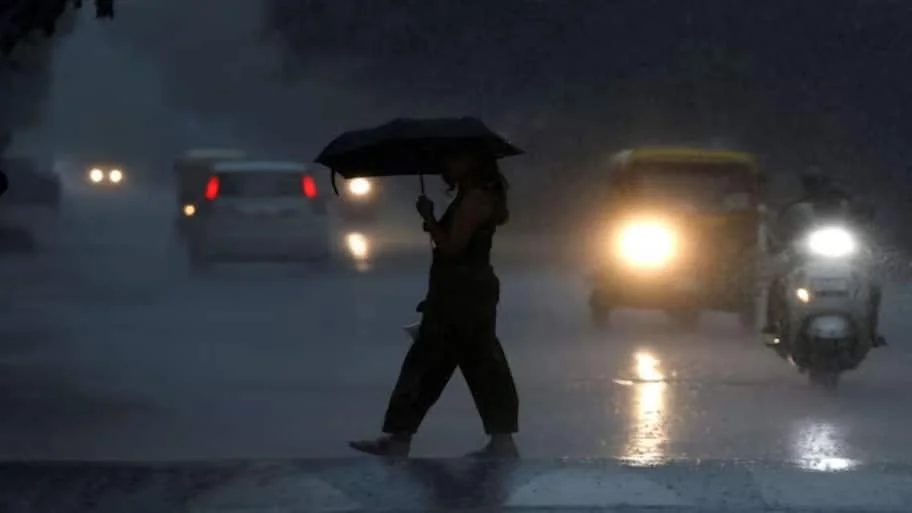
New Delhi: India’s monsoon rainfall is presently 13% below normal. Dry winds have begun affecting parts of northwest India, raising signs of weaker rainfall. The monsoon season still has several weeks left, and rainfall in the rest of August and September will determine how much of the deficit can be recovered.
Because dry winds moving into parts of northwest India can mean the monsoon is entering a weaker phase without marking its formal exit, that distinction is important. The southwest monsoon normally runs through September. A weakening spell in August, particularly over northwest India, does not by itself mean the monsoon has begun its official withdrawal. Not yet, at least not officially. The India Meteorological Department (IMD) treats weakening rainfall and monsoon withdrawal as separate developments. The withdrawal process is declared only after specific atmospheric conditions are met, including a sustained reduction in rainfall and the development of an anticyclonic circulation in the lower atmosphere.
The national data therefore does not tell the whole story. A state can record near-normal rainfall while particular districts still receive far less rain than normal.
The impact will depend on where the rain is missing. Parts of western and central India have received relatively better rainfall, while several areas of the northern plains, northeast and southern peninsula have faced deficits.
The IMD said on August 18 that a depression over Jharkhand and adjoining northern parts of Gangetic West Bengal was influencing weather conditions, with heavy to very heavy rain expected at isolated places in Odisha and Chhattisgarh as well. At the same time, rainfall-producing systems are still active elsewhere.
