
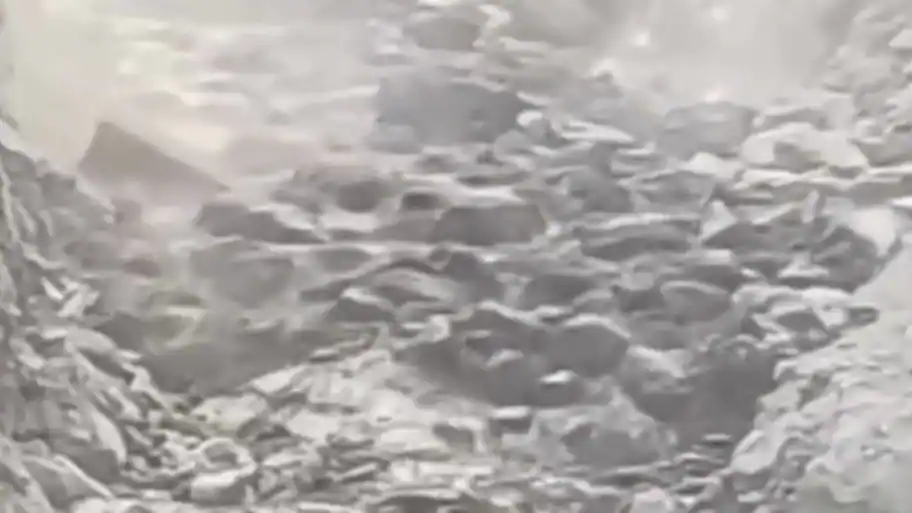
A cloudburst struck the mountain village of Stakpa-Sankoo in the Kargil district during the night of August 30–31, 2026, triggering a sudden and forceful surge of water in a local stream. Stakpa-Sankoo lies roughly 44 km south of Kargil town along the Suru Valley road leading toward Zanskar. The remote Himalayan location makes such high-intensity, short-duration rainfall events particularly hazardous due to steep terrain and limited natural buffering.
No major damage or casualties have been reported. Debris-laden floodwaters rapidly carried large volumes of mud, boulders, silt, and other material downstream with considerable force. Authorities continue to assess the situation amid elevated flood and flash-flood risks across parts of the Himalayan region driven by continuing rainfall.
The incident underscores both the growing vulnerability of high-altitude Himalayan settlements to extreme weather and the value of timely, localised preparedness. Officials remain on alert as monsoon and post-monsoon rainfall continues to elevate the risks of further cloudbursts, flash floods, and landslides in the broader region. The Nepal disaster highlights the escalating threat posed by Himalayan glacial lakes. Rapid glacier retreat driven by climate change is causing many high-altitude lakes to expand or form new, unstable lakes. These can fail catastrophically in Glacial Lake Outburst Floods (GLOFs), sending walls of water and debris tens or hundreds of kilometres downstream with little warning.
