
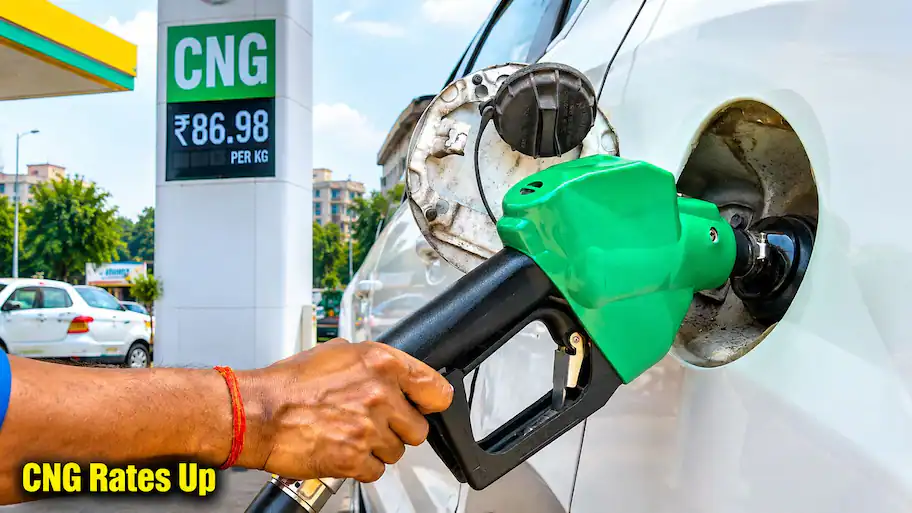
Indraprastha Gas Limited (IGL) has raised the price of CNG in Delhi by Rs 3.89 per kilogram, making the current rate of CNG Rs 86.98 per kg. Before the increase in the price, the rate of CNG at retail outlets stood at Rs 83.09 per kg. Starting from 6:00 AM on 29th August 2026, the rate change has been initiated due to the increased cost of imported LNG due to growing conflicts in West Asia.
Disruption in the shipping of LNG cargoes: Since July 2026, new tensions in West Asia have greatly affected the shipping of LNG cargoes through the Strait of Hormuz. The recent rate change can be attributed to the crisis in global energy supply lines due to West Asian shipping corridors. Rise in the rate of LNG : As a result, the rate of LNG in the global market has doubled in comparison with the rate before the onset of the crisis.
India’s heavy dependence on imported spot LNG : India depends heavily on imported spot LNG to meet its demands for CNG, making Indian retail companies highly sensitive to the changes in LNG price.
Transfer of only part of increased cost : As it has been said above, Rs 3.89 per kg is a small part of the overall rise in the cost of the procurement of CNG.
The company had no choice but to pass on part of the increased cost of its inputs, according to official press releases by Indraprastha Gas Limited.
Earlier reporting noted: CNG prices hiked by ₹3.89 in Delhi-NCR: Check city-wise latest rates CNG prices in Delhi and nearby cities rose by ₹ 3.89 per kg on Saturday, pushing the price in the national capital to ₹ 86.98 per kg. The latest hike comes after prices were raised by ₹ 2 per kilogram in late May , which came as global energy supplies were affected by the conflict in West Asia .
Earlier reporting noted: “It is hard to survive in the National Capital Region (NCR) in the wake of price rise and, because of the inflation, it is difficult to save money even for the next day,” said the 29-year-old driver. Effect of the change : In addition to Delhi, the price increase affects other cities in the National Capital Region (NCR) that get gas from IGL.
Earlier reporting noted: The latest price hike is expected to add to the operating expenses of people who rely on CNG-powered cars, auto-rickshaws, taxis and commercial vehicles.
Future outlook: Fuel rate problems for daily commuters
The current increase in the price is going to affect commercial vehicle operators, auto-rickshaw drivers, and people who use CNG cars across the NCR. It should be noted that in case of further problems in global shipping, the LNG rate may remain high during the coming quarters.
