
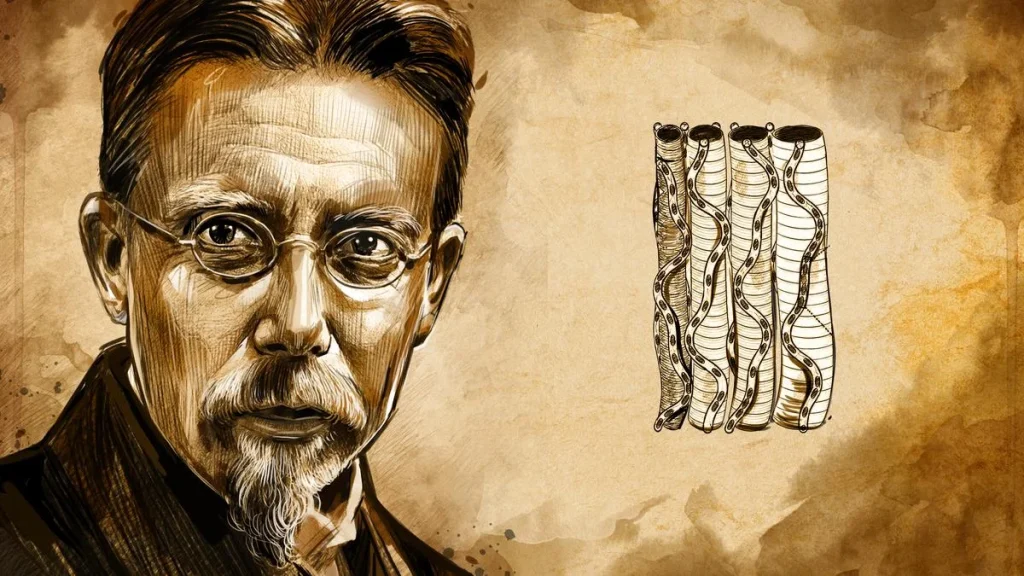
In 1920, Danish physiologist August Krogh was awarded the Nobel Prize in Physiology or Medicine “for his discovery of the capillary motor regulating mechanism.”
Why It Matters
Schack August Steenberg Krogh was born on November 15, 1874, in Grenaa, Denmark. He entered the University of Copenhagen in 1893, initially studying medicine before turning to zoology. In 1922, he and his wife, physician Marie Krogh, travelled to North America.
Because understanding how oxygen reaches tissues is central to conditions in which blood supply is impaired, including cardiovascular disease, peripheral vascular disease, diabetes and wounds that fail to heal, the work had important implications for medicine. The principles of microcirculation and tissue oxygenation that Krogh helped establish are now relevant to understanding tissue injury, wound healing, exercise physiology and the effects of impaired blood flow. Marie had diabetes and encouraged him to investigate the newly developed insulin treatment.
