
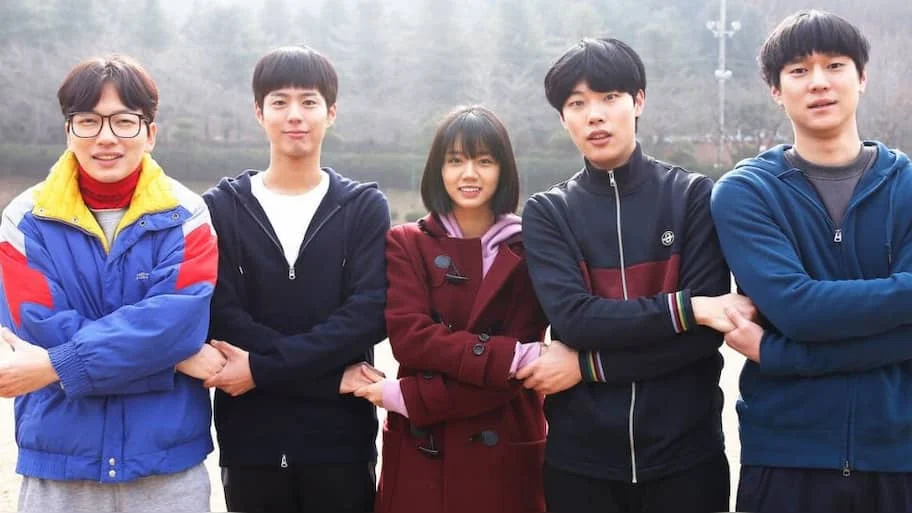
Dialogue of the Day: Some of the most affecting lines in Reply 1988 don’t come from big dramatic moments. They come from a teenager slowly realizing something about the adults around her that she’d never thought to question before, that the grown-ups she’d always seen as steady and unshakeable were carrying their own pain the whole time, just quietly, without ever showing it.
Released in 2015, Reply 1988 is a Korean television series set in Seoul’s Ssangmun-dong neighbourhood, following five childhood friends and their families as they navigate everyday life, first love, and growing up together in the late 1980s. Known for its warmth and its focus on family and community rather than grand plot twists, the show became one of the most beloved entries in Korean television, and lines like this one are part of why it’s remembered as much for its quiet emotional honesty as for its nostalgia.
What makes this line land the way it does in Reply 1988 is the context it’s said in. Because it reframes something that often looks like strength as something closer to quiet endurance, that distinction matters. Because it’s dishonest, but because adulthood comes with an unspoken expectation to hold things together for the people depending on you, the calm is often a performance, not. Because someone else usually needs you to be steady, growing up, in some ways, is less about no longer feeling pain and more about learning how to carry it without letting it show,.
As kids, most people grow up assuming their parents, teachers, and other adults around them are simply built differently, less afraid, less hurt, less overwhelmed by things that feel enormous to a child. This line pushes back against that entirely. Adults aren’t immune to pain. They’re just under more pressure to not show it, to keep functioning, to keep everyone else steady even when they themselves aren’t. When a parent doesn’t cry in front of their kids, or a teacher doesn’t show frustration, it’s easy to read that as them simply not being bothered by things the way children are. This line suggests otherwise. There’s something quietly humbling in that realization, and it’s one a lot of people don’t actually arrive at until much later in life, often only once they’ve become the adult expected to hold things together themselves. It’s not delivered as some detached observation. It comes from a place of genuine surprise, a young person catching a glimpse behind the curtain of adulthood for the first time and realizing the people she thought were simply strong were actually just quietly enduring, the same way she does, just with more practice at hiding it. Maybe that’s why this line has stayed with so many viewers well after the show ended. It’s not really about any one character. It’s about the moment almost everyone eventually has, realizing that the adults in their life were never as unaffected as they seemed, they were just doing their best to make it look that way.
