
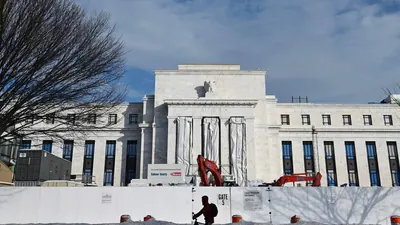
On Wednesday, the Federal Reserve is anticipated to implement its first interest rate increase in over three years. Financial markets are largely predicting a 0.25 percentage-point hike, with the CME FedWatch Tool indicating a 90% probability of this adjustment based on federal funds futures. This potential increase reflects the Fed’s ongoing response to economic conditions and could have significant implications for consumers and businesses alike.
Checking account rates have barely moved in 2026. The national average interest rate on checking accounts is around 0.07%. Regular savings accounts currently offer an average rate of about 0.38%. Many are currently paying rates in the 3% range, while some accounts can offer yields close to 4%. Credit-card interest rates have climbed sharply, from around 16% in 2021 to more than 22% today. The average personal-loan interest rate is currently around 11.86%. Advertised personal-loan rates are generally in the 7%-8% range, although the actual rate a borrower receives can vary based on factors such as creditworthiness and the lender.
Because they are mainly designed for easy access to money and everyday payments, rather than earning interest, according to Yahoo Finance, checking accounts generally offer low returns. The Fed’s interest-rate decision will affect more than just Wall Street and stock prices. The federal funds rate also influences savings rates, credit-card interest, personal loans and, to a lesser extent, mortgage rates. For savers, a higher Fed rate can eventually mean banks offer slightly better interest rates on deposits. However, the increase is usually gradual, and basic bank accounts may still offer very low returns. A Fed rate hike could push checking-account earnings slightly higher, but the increase is likely to be small. These accounts are generally used for money that people may need in the near term. High-yield savings accounts offer much better returns. Credit-card users are likely to feel the impact quickly. People who pay their entire credit-card balance every month generally avoid paying interest, so the rate increase has little direct impact on them. Consumers who carry a balance from month to month, however, can see their borrowing costs rise as variable credit-card rates adjust. Personal-loan rates have also moved higher.
For someone with around $10,000 or more sitting on the sidelines, these accounts can provide a place to keep the money while maintaining access to it. This means savers could benefit more from a higher-rate environment if they shop around for competitive savings rates instead of leaving large amounts of cash in a low-paying account. Money market accounts are another option for people who want their money accessible while earning interest.
