
Rashtriya Swayamsevak Sangh (RSS) chief Mohan Bhagwat, in his annual Vijayadashami address in Nagpur, warned against forces seeking to weaken India, divide society and influence the country’s internal affairs. He called for national unity, responsible public protests and caution against external influences, while stressing the importance of social harmony, self-reliance and the responsible use of technology.
Why India’s democratic structure matters
In April, a workers’ protest took place in Noida from April 9 to 18, with inflation and minimum wages for domestic workers among the issues raised.
Solutions can also emerge through the active participation of the society and dialogue among its members,” Bhagwat said, delivering the annual Vijaydashami lecture in Nagpur . The programme examined whether unrest in different parts of the world offered lessons for India and explored the role of external forces, digital platforms and political narratives in shaping public movements. However, the central theme of the address, as examined in the DNA programme, was the possibility of regime change and alleged attempts by external forces to influence India’s political and social environment. The programme examined a series of protests in India and other countries to understand the concerns raised in Bhagwat’s address. The agitation turned violent, leaving several people injured. Unlike systems where power is concentrated in a single centre, India’s federal structure allows state governments and administrations to continue functioning even when major protests take place in the national capital. The programme also pointed to Parliament, the Supreme Court and the country’s security network as important institutions in safeguarding democratic stability.
The programme also referred to protests in Spain over inflation and demonstrations in France, where demands related to schools and education reforms were among the initial issues before the unrest escalated. Earlier reporting noted: “Experience shows that it is neither the government alone that can resolve all the problems of society, nor is it true that problems can be resolved only through agitations. Earlier reporting noted: The Opposition, particularly the Congress, has accused the poll panel of working at the behest of the ruling Bharatiya Janata Party , the political arm of the Sangh.
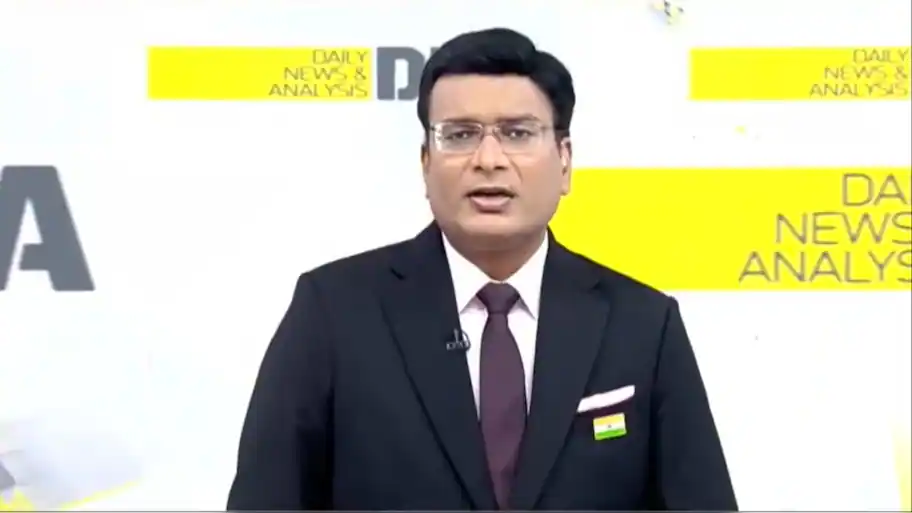
In today’s episode of DNA, Rahul Sinha, Managing Editor of Zee News, conducted a detailed analysis of Bhagwat’s address, focusing on his concerns over alleged regime change efforts, the pattern of protests in India and developments in countries such as France, Albania, Spain and Bangladesh.
In India, protests against alleged irregularities in the NEET examination took place at Delhi’s Jantar Mantar from June 6 to July 25. The programme highlighted clashes during a Parliament march on July 20, when security personnel were assaulted. It also examined protests held between October 2 and 17 over the Special Intensive Revision (SIR) of electoral rolls and demands for the resignation of Chief Election Commissioner Gyanesh Kumar.
He said the incident could not simply be blamed on Muslims or migrants and argued that it did not fit the narrative promoted by the right-wing ecosystem. The agitation was associated with Gen Z and led by the Cockroach Janata Party (CJP). The CJP and the Congress-led INDIA bloc organised separate demonstrations, with the protests raising questions about electoral fairness and alleged irregularities. Congress MP Pawan Khera shared the footage on social media, arguing that the protests in Albania were linked to the proposed sale of land to Jared Kushner, the son-in-law of US President Donald Trump.
