
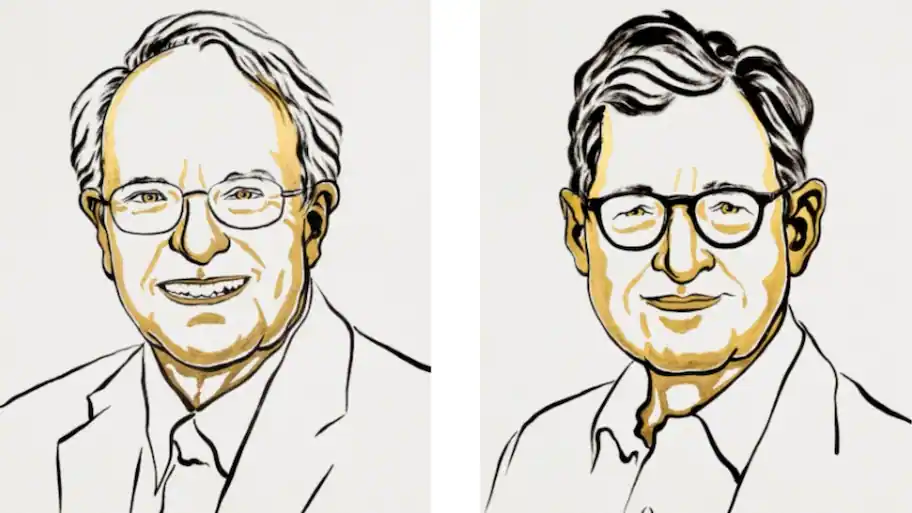
Hall and Michael Woodford were awarded the 2026 Sveriges Riksbank Prize in Economic Sciences in Memory of Alfred Nobel on Monday for developing macroeconomic models that have helped policymakers better manage economic stability during periods of boom and recession. American economists Robert E.
Hall, a professor at Stanford University, and Woodford, a professor at Columbia University, rebuilt macroeconomic models around microeconomic foundations, examining how the decisions of households and businesses shape the wider economy, according to the Nobel Committee. Their work emerged amid growing criticism of traditional Keynesian economic models following the oil shocks of the 1970s. Many advanced economies at the time faced high inflation, sluggish growth and rising unemployment, creating fresh challenges for policymakers. The economists demonstrated how macroeconomic models could be strengthened by incorporating the forward-looking behaviour of consumers and businesses. Their approach helped restore confidence in the role of economic policy in stabilising markets and managing downturns.
Government policies and signals from central banks can therefore influence these expectations and shape economic activity. A central feature of their research is that households and firms consider their expectations of future economic conditions when making decisions about spending, saving, investment and prices.
