
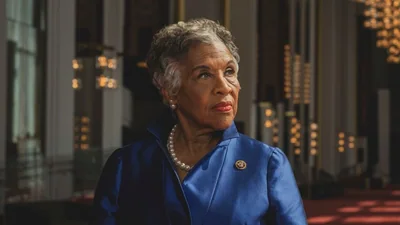
Rep. Joyce Beatty had just beaten President Trump for a second time in court in their battle over the future of the John F. Kennedy Center for the Performing Arts, when the two came face-to-face in a virtual boardroom last week.
Chellie Pingree, the top Democrat on the House appropriations subcommittee that oversees the Kennedy Center, said the majority party in Congress—especially those on her subcommittee—should have objected to Trump’s takeover. Maine Rep.
“It’s not even a debatable point anymore,” said Brian Ballard, a Republican lobbyist Trump appointed to the board in 2020. Beatty’s opposition to the closure is political and “she just wanted her 15 minutes of fame,” he said. “I think the Trump administration should certainly have recognition,” Trump told reporters, speaking about his Kennedy Center renovation efforts Wednesday evening. Photos emerged online this week showing Trump on Air Force One looking at a poster that said “Kennedy Center DEMOLISHED,” but a senior administration official said there are no immediate plans to tear it down.
The Ohio Democrat has been pepper sprayed for protesting the killing of George Floyd and arrested at a voting rights demonstration on Capitol Hill. She chaired the Congressional Black Caucus and helped secure Juneteenth as a federal holiday. But Beatty is now best known as the unlikely leader of the opposition to Trump’s push to rebrand the Kennedy Center in his own honor. The president has fumed that his efforts to rescue a cash-strapped venue have gone unappreciated.
Beatty was prompted to take on the Kennedy Center fight after she said the host muted her when she tried to object during the board’s first vote to rename the center in December. In a recent interview she said that incident made clear the Trump-friendly board was ready to rubber stamp whatever the president wanted.“If they can do this to me,” she recalls thinking, “what’s gonna happen to the institution? All her life, Beatty said, she has felt compelled to stand up for her rights, especially as a woman of color.
She remembers feeling that way as a young girl growing up in Dayton in the 1950s and 1960s civil rights era when Black people in some places weren’t allowed to use the same water fountains as white people.
