
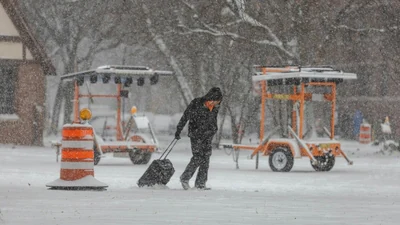
Given the unpredictable nature of emergencies in Michigan —including flooding, extreme weather conditions, and winter storms—state authorities are encouraging households to develop comprehensive emergency preparedness strategies that account for both family members and animals.
The Michigan State Police, in conjunction with the Emergency Management and Homeland Security Division, emphasizes four critical components for ensuring safety: establishing a preparedness plan, assembling an emergency supply kit, maintaining awareness of current information, and actively participating in community preparedness initiatives. The development of a household emergency plan necessitates convening family members to establish communication protocols, predetermined evacuation sites, and designated assembly points. Families must identify out-of-state contacts, community gathering locations, and regional refuge destinations. Given that employers, childcare facilities, and educational institutions maintain location-specific emergency protocols, household members should familiarize themselves with these procedures. Critical information, such as medical provider contacts, insurance documentation numbers, and emergency service contact information, must be documented and stored within an emergency preparedness kit. Two distinct kits should be assembled: a comprehensive supply kit designed for sheltering in place and a portable version intended for evacuation scenarios.
