
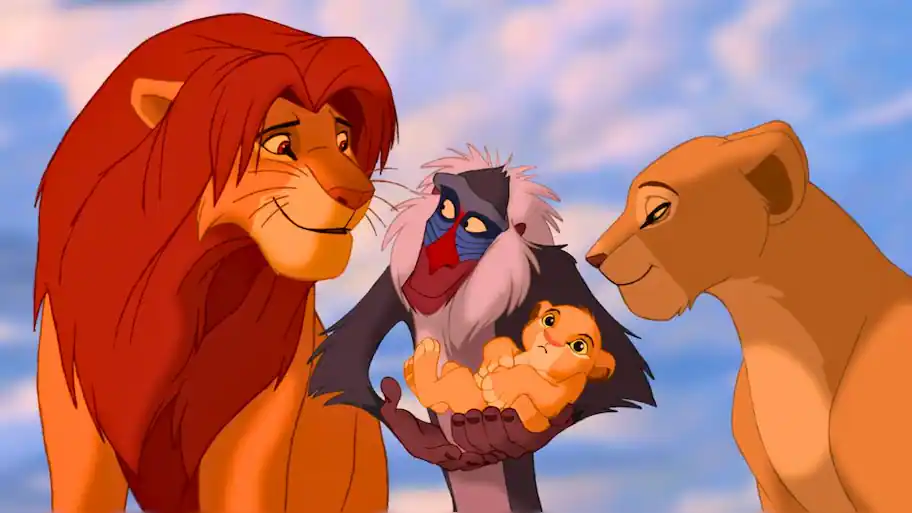
Dialogue of the day: By this point in the story, Simba isn’t a lost cub anymore, he’s an adult who’s spent years running from his past, convinced that guilt over his father’s death means he’s forfeited any right to who he was born to be. This scene doesn’t try to argue him out of his guilt directly. Instead, Mufasa’s spirit does something simpler and more powerful, he just tells Simba to remember.
Released in 1994 and directed by Roger Allers and Rob Minkoff, The Lion King follows Simba, a young lion prince who flees his kingdom after his father Mufasa’s death, only to return years later and reclaim his rightful place as king. Featuring James Earl Jones as the voice of Mufasa, the film is one of Disney’s most beloved animated classics.
What makes this scene resonate well beyond the film is how familiar that pattern is outside of lions and kingdoms entirely. It’s easy to let one mistake, one period of guilt or failure, convince you that you’ve disqualified yourself from who you actually are, or who you were meant to become. This line pushes back against that quiet erosion, insisting that failure and identity were never actually the same thing, and that remembering, plainly, stubbornly, is often the first real step back.
