
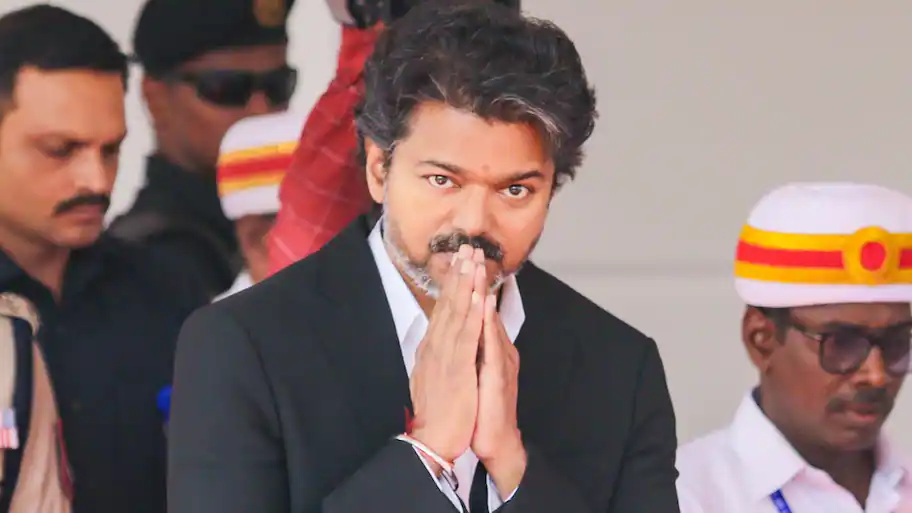
Tamil Nadu’s opposition had every reason to put the young TVK government under pressure. Instead, it walked into a trap of its own making and handed Chief Minister C Joseph Vijay a free pass just as the campaign for two crucial by-elections got underway.
There had been reshuffles inside the Chief Minister’s office, welfare schemes promised but not yet funded, and eye-catching announcements, among them a Rs 1,200-crore new Secretariat and an “Olympic City”, that cried out for hard questions about where the money would come from. One hundred and forty days into office, Vijay’s administration was showing plenty of cracks.
A Government Ripe For Scrutiny
The irony was not lost on observers: even as DMK leaders criticised “reel culture” for trivialising politics, the party’s own digital teams were busy producing short clips to reach the same audience. By any normal reading of parliamentary politics, this was the moment for a sharp, disciplined opposition to go after the government’s record: unfinished projects, shaky finances, and promises made faster than they could be paid for. That is not what happened. It was a well-worn jibe, not a serious challenge to the government’s current performance. A more composed opposition might have brushed it aside and steered straight back to questions about roads, jobs and budgets. Instead, DMK leaders responded with real anger. Former Union Minister A. Raja and former minister P. K. Sekarbabu took to public platforms with sharp, personal attacks aimed at Vijay, language that soon dominated headlines for all the wrong reasons, particularly after remarks directed at women drew criticism. The row grew large enough that DMK MP Kanimozhi felt compelled to step in publicly, invoking the Thirukkural’s teaching on restraint in speech as a gentle rebuke to her own colleagues. By the time apologies of a sort were offered, the damage to the party’s messaging was already done. That generational gap matters. Many first-time voters have grown up with a media diet of short-form video, streaming platforms and social media, and have little patience for lengthy lectures on history delivered from a podium.
