
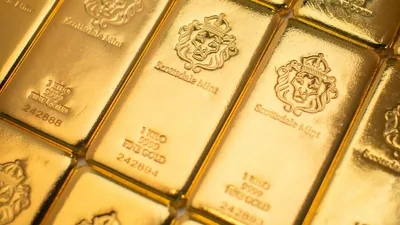
On Thursday, gold prices experienced an uptick as market participants anticipated the release of new US inflation data. Spot gold increased by 0.4%, reaching $4,418.87 an ounce at 02:40 ET (06:40 GMT). Concurrently, gold futures climbed by 0.03% to $4,461.82 an ounce.
The US dollar also fell slightly, helping gold prices stay near $4,400. The US Dollar Index fell to 98.74. US 10-year Treasury yields rose after the government announced a plan to purchase up to $6 billion of longer-dated debt. Brent crude reached $100 a barrel, its first move to that level since July.
Because it could affect the Federal Reserve’s next interest-rate decision, investors are watching the inflation data. Because gold is priced in US dollars, a weaker dollar usually helps gold. Because gold does not pay interest, higher bond yields can make gold less attractive. Because investors can earn higher returns from interest-paying assets, rising Treasury yields can put pressure on gold. Because energy costs affect businesses and consumers, higher oil prices can increase inflation pressure. Investors are therefore watching both oil prices and upcoming US inflation data for clues about the economy and interest rates.
Gold prices rose even as US Treasury yields stayed high. Higher US Treasury yields are one factor limiting gold’s gains. Since gold does not generate interest income, its opportunity cost increases when bond yields rise. Oil prices have also climbed sharply, adding to market concerns about inflation.
US inflation data in focus
Swaps markets were assigning about a 65% probability of an interest-rate increase this month, according to the supplied information. Sycamore, senior market analyst at IG, said gold ended the previous session at around $4,402, according to Reuters. Gold is holding close to $4,400 as traders wait for the PPI and CPI reports.
Iran has said it is ready for a more intense conflict if US attacks on its territory and infrastructure continue. IG analyst Tony Sycamore said the weaker dollar helped gold despite higher bond yields. He said the weaker US dollar provided support to gold even though Treasury yields were rising.
The Middle East conflict is another major factor keeping markets cautious. Ongoing geopolitical tensions are keeping investors focused on safe-haven assets such as gold. US inflation data is now the biggest near-term focus for gold traders. The Consumer Price Index (CPI) is scheduled for Friday. The data could also change expectations for what the Federal Reserve will do with interest rates at its next meeting. Markets are already pricing in a chance of a US interest-rate increase this month. A higher-than-expected inflation reading could strengthen expectations for tighter Fed policy. A softer inflation reading could have the opposite effect by supporting expectations for easier monetary policy. This shows that several forces are currently pulling gold prices in different directions. The key question for gold now is whether inflation will change Fed expectations. A weaker dollar and strong investment demand are supporting the metal. Higher Treasury yields, elevated oil prices and uncertainty over Fed policy are creating pressure. The upcoming US inflation data could determine which of these forces has the biggest impact on gold in the near term.
The US Producer Price Index (PPI) is due on Thursday.
