
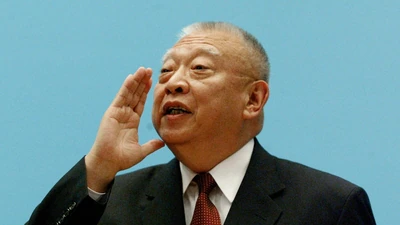
Hong Kong ’s first post-colonial leader, Tung Chee-hwa, who struggled to cope with an Asian financial crisis and growing protests for democracy in the early years under Chinese rule, has died at age 89.
A year later, Tung faced another serious test when SARS — severe acute respiratory syndrome — hit Hong Kong, killing nearly 300 people and devastating the economy. Later in 2003, Tung gained more critics by proposing an anti-subversion law, locally known as Article 23 legislation. He confirmed he was leaving on March 10, 2005, insisting his failing health was the reason, not pressure from Beijing.
Because no health problems were apparent in the months before his resignation, many were suspicious about Tung’s explanation.
“If I continue as chief executive, I won’t be able to handle it,” he said. Tung’s government was accused of a sloppy, sluggish response. Many saw it as a threat to civil liberties, and an estimated half million people joined a street march against it. The government later scrapped the legislation.
His office said in a statement that Tung passed away peacefully in the presence of his family members on Tuesday.
Tung was born in Shanghai on May 29, 1937, and his family moved to Hong Kong in 1947 – two years before the Communists took over the mainland, according to a 2005 biography on the government. But in 2017, he told mainland Chinese media that he was born on July 7 instead. He started a think tank after leaving the city’s top job and remained a Beijing loyalist during major protests for democracy in 2019 and an ensuing crackdown on dissent in which the central government imposed a national security law on the city that outlawed subversion.
