
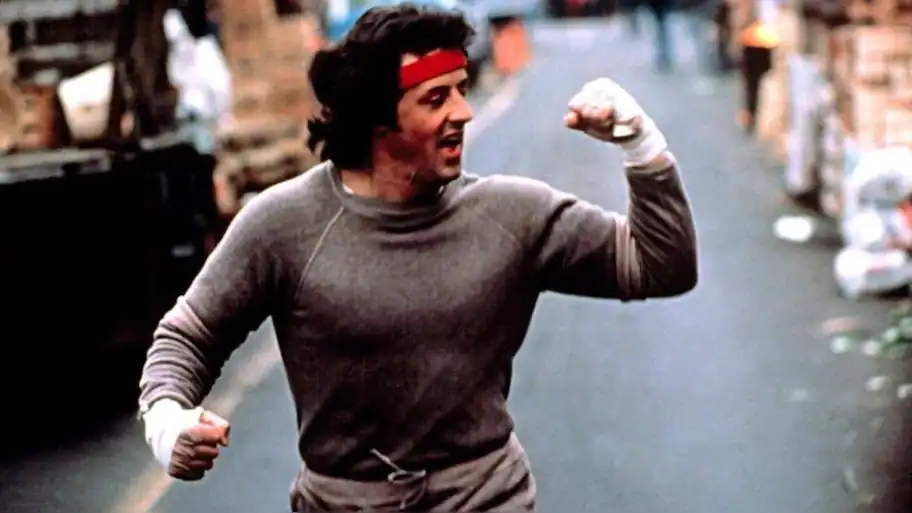
Because it isn’t really about boxing at all, it’s about the much longer, much less glamorous fight that happens after life has already knocked you down a few times, it stuck around for decades, mostly. Dialogue of the Day: Boxing movies love a good training montage speech, but most of them fade the moment the credits roll. This one from Rocky Balboa didn’t.
Released in 1976 and directed by John G. Because it says something true about life that has nothing to do with boxing at all, starring Sylvester Stallone, who also wrote the screenplay, the film spawned a decades long franchise, and this particular line, delivered by an older, wiser Rocky in a later sequel, has remained one of the most quoted lines in the series precisely. Avildsen, Rocky follows an underdog boxer from Philadelphia who gets an unlikely shot at the heavyweight title, a story that became one of the most enduring underdog narratives in film history.
Because most of life doesn’t actually reward how hard you can hit, that distinction matters. Because that, more than anything else, is what actually separates people in the long run, it just asks whether you’re willing to keep moving forward once it happens,.
How much you can take and keep moving forward.” – Rocky Balboa, Rocky On the surface, it’s advice about fighting, but Rocky isn’t really talking to an opponent in a ring when he says this. “It ain’t about how hard you hit. It’s about how hard you can get hit and keep moving forward. He’s talking to his son, about life, and using boxing as the closest metaphor he’s got for it. The line pushes back against a pretty common assumption, that strength is mostly about offense, about how much damage you can do, how impressive you look when things are going well. Rocky flips that entirely. The real measure of strength, he argues, is what happens when things go badly, and whether you’re still standing afterward. It rewards whether you can absorb a setback, a failure, a rejection, and still get up the next day and keep going anyway. Anyone can look strong when nothing’s going wrong. The real test only shows up once something has actually knocked you down. There’s also something quietly comforting in how the line reframes getting hit at all. It doesn’t pretend you can avoid it. Rocky isn’t promising a life without pain or failure, he’s assuming it’s coming, and instead of offering false reassurance, he’s just being honest about what actually determines the outcome. Getting hit isn’t optional. Staying down is. What makes this line land so widely, well outside of boxing or even sports in general, is how universally it applies. Everyone gets hit by something eventually, a failure, a loss, a plan that falls apart. This line doesn’t ask you to avoid that.
