
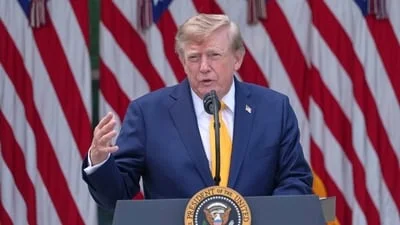
The Trump administration is advancing a significant revision of the H-1B visa program. The Department of Homeland Security has initiated a proposal aimed at increasing scrutiny of employers participating in the program. Key changes under consideration include modifications to eligibility criteria for cap exemptions and enhanced oversight for workers assigned to third-party sites. These potential adjustments reflect ongoing efforts to tighten regulations surrounding the H-1B visa process.
OMB is separately reviewing a DHS proposal that would impose an additional fee of $103,265 on H-1B cap-subject petitions. DHS has also announced an expansion of a fee affecting certain employers with high percentages of H-1B and L-1 workers, while the Department of Labor has proposed higher minimum wage requirements for H-1B and other employment-based immigration programs. The proposed rule is currently under review at the White House Office of Management and Budget. the changes could carry broad implications for Indian professionals, who make up a significant share of H-1B visa holders While the full details remain confidential until the proposal is published in the Federal Register.
Earlier reporting noted: US proposes $103,265 fee for H-1B visa petitions The Trump administration has proposed an additional $103,265 fee on employers filing H-1B visa petitions subject to the annual cap. It is scheduled to be published in the Federal Register on Tuesday, after which a 30-day public comment period will begin. The exact scope of the changes will not be known until the proposal is formally released.
According to the Department of Homeland Security’s description of the rule in its regulatory agenda, the proposal would revise eligibility for H-1B cap exemptions, subject certain employers to greater scrutiny if they have violated program rules and increase oversight of H-1B workers placed at third-party worksites. Earlier reporting noted: The Department of Homeland Security (DHS) said the proposed fee would apply to every cap-subject H-1B petition, including applications for workers eligible under the advanced degree exemption. The proposal could also bring tougher compliance requirements for employers with a history of H-1B violations and increase federal scrutiny of arrangements in which H-1B employees work at client or third-party locations. The proposal comes as the H-1B program faces a series of potential regulatory changes. If implemented, the move could significantly increase the cost of hiring skilled foreign workers, including professionals from India.
Earlier reporting noted: The proposal is not final yet.
