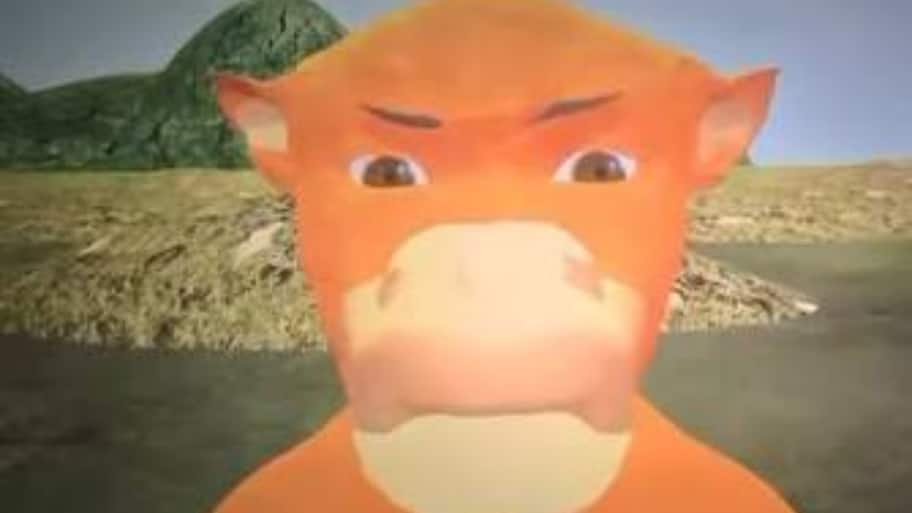
In a summer dominated by massive blockbuster releases like Christopher Nolan’s The Odyssey and Marvel’s Spider-Man: Brand New Day, an unlikely contender has hijacked the box office conversation. Audiences across China are flocking to theatres for an unusual reason: to witness what many are calling the most terrible film of the year.
The film, titled Niu Lai (translated as The Cow Is Coming) , is an 86-minute animated feature centring on a newborn calf and a skylark whose relationship unfolds through an abstract dream sequence. When it debuted in China on August 5, the project seemed destined for total obscurity. Made with zero promotional tours, no pre-release publicity, and not even an official trailer, the film managed a dismal 7,700 yuan (approximately Rs 1.04 lakh) across its first 10 days, drawing fewer than 300 viewers nationwide. The animated feature has now raked in over 14.9 million yuan (approximately Rs 20 crore), according to data from the Chinese ticketing platform Maoyan.
Even the film’s distributor reportedly admitted he had been advised against releasing it due to its quality, agreeing to put it in theatres only out of personal friendship with the director.
One netizen jokingly rated the film one star while commenting that “Christopher Nolan was found shaking in his boots.” Everything changed when clips of the movie began circulating on social media. Internet users quickly tore into its crude computer graphics, stiff character movements, awkward voice acting, and bewildering narrative, comparing it to an amateur student project and calling it “worse than AI. However, instead of killing the film’s prospects, the relentless online ridicule transformed Niu Lai into a viral meme, inspiring curious moviegoers to buy tickets just to see the disaster for themselves. Driven purely by ironic hate-watching and curiosity, Niu Lai has turned into a massive commercial hit. The sudden box-office surge has catapulted the micro-budget project into high-ranking positions on China’s national cinema revenue charts alongside heavily funded mainstream releases. The film’s sole marketing asset prior to release was an elegant poster drawn in a traditional ink-wash style, a polished piece of art that bore virtually no resemblance to the primitive animation waiting inside the theatre.