
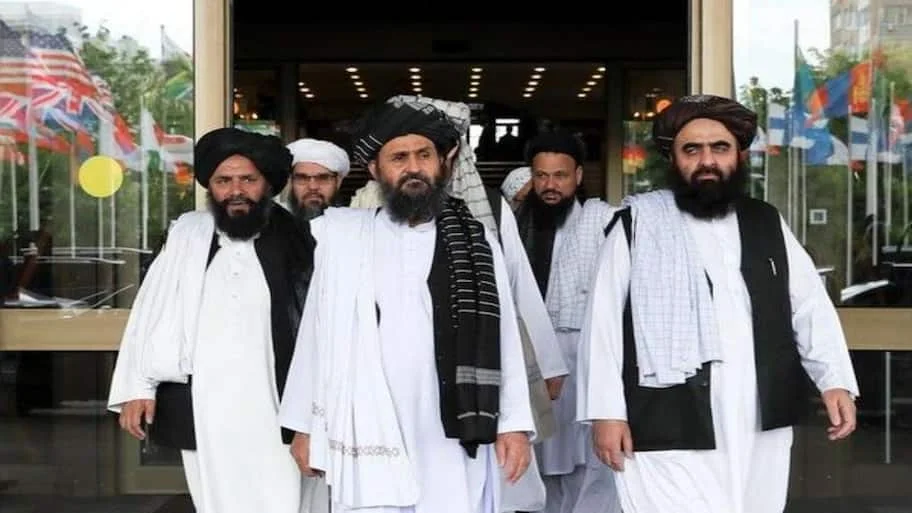
New Delhi/Kabul: Five years into Taliban rule, Afghanistan has settled into an uneasy relationship with the outside world. The authorities in Kabul control the country, maintain working relations with several foreign governments and have resisted pressure to lift restrictions on women.
Zabihullah Mujahid, the group’s chief spokesman, said the movement wants countries to move beyond dealing with it from a distance. “If we want progress in our relations, we have to come closer to each other diplomatically,” he said. A former senior United Nations official, who spoke on condition of anonymity, said recognition had become a weaker instrument of pressure than it was immediately after the takeover. Georgette Gagnon, the UN deputy special representative in Afghanistan and acting head of the UN mission in Kabul, said talks with the authorities have been slow and have produced setbacks, but should continue. “Even a stalled process is better than no process,” she said. “We want to be part of the international community,” he said.
Russia has gone further than most by becoming the first country to formally recognise the Taliban government. The authorities can pursue relations with individual countries without first meeting the political conditions demanded by Western governments. Its argument is practical. The Taliban controls Afghanistan, and international organisations need access to the country to provide assistance and try to influence policy. Five years after the takeover, that is the central diplomatic problem. The question is whether the world can deal with a government it does not fully accept while ensuring that talks do not become acceptance without reform.
