
The Ministry of External Affairs (MEA) made it clear that there has been no change in New Delhi’s position on the matter. New Delhi: India on Tuesday said Bangladesh’s request for the extradition of former Prime Minister Sheikh Hasina is being examined under established procedures.
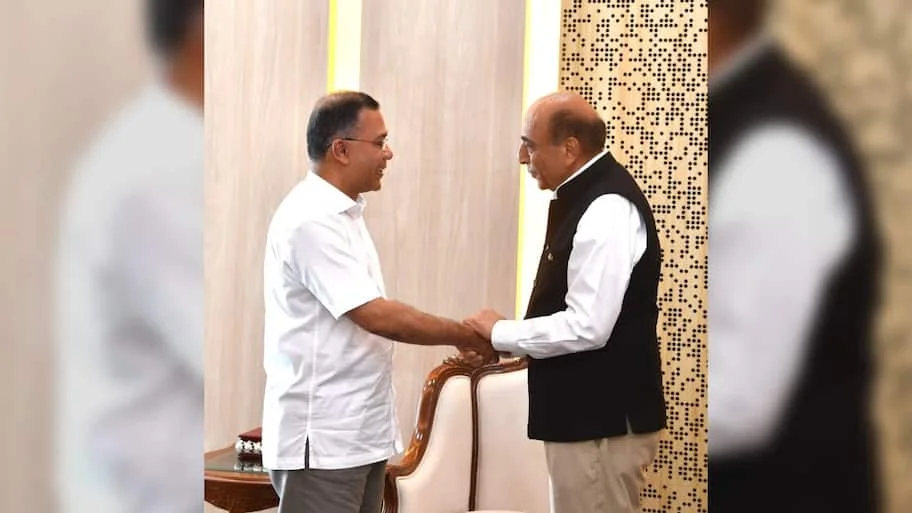
“Our High Commissioner met with the Prime Minister of Bangladesh yesterday (August 10), and they discussed matters of mutual interest.
As far as the extradition matter is concerned, our position has been very clear that we are looking into the case as per established processes that we have on our side,” he said. Hadi’s case is a legal matter in which investigations are going on.
In a statement, the Bangladesh mission said, “The Kolkata Police informed this Deputy High Commission in a message that two Bangladeshi citizens named Faisal Karim Masud (37) and Alamgir Hossain (34) have been arrested. Officials hoped that the early visit would pave the way for the renewal of the Ganga waters treaty, energy deals and removal of the trade restrictions that were imposed in May 2025 on Bangladesh. Earlier reporting noted: The exchanges between the Indian and Bangladeshi sides began last Monday (August 10, 2026) when High Commissioner Dinesh Trivedi called on Mr. Hasina and her son Sajeeb Wazed Joy at the Foreign Correspondents Club in New Delhi on August 5, 2026.
Because of other visits and commitments that are being scheduled for the Indian leadership in the remaining four months of the year, sources here also said normalisation will have to be achieved as soon as possible as the diplomatic window may close soon.
The meeting covered several issues involving the two countries, including Hasina’s extradition and the return of those accused in Hadi’s killing, according to Bangladeshi media reports. After the meeting, a statement issued by the Rahman government’s PM’s Press Wing said, “Bangladesh hopes that India will expedite the process of extraditing Sheikh Hasina. The Indian High Commissioner described his first interaction with the Bangladeshi prime minister as “fruitful”, according to local media reports. The Indian High Commission later said on X that Trivedi conveyed India’s intention to work with the Bangladeshi government and people in a “positive, constructive and forward-looking manner”. Earlier reporting noted: Diplomatic sources expressed cautious optimism, saying that “positive developments” can take place quickly in the coming few days. The Ministry of Foreign Affairs of Bangladesh said it was “outraged” by Ms. Hasina’s press conference and described the event as an “afront” to the “sovereignty of Bangladesh”.
His comments came a day after Indian High Commissioner Dinesh Trivedi met Bangladesh Prime Minister Tarique Rahman in Dhaka. Indian media has identified these two individuals as suspects in the Shahid Sharif Osman Bin Hadi murder case. Immediately after this news was published, the Deputy High Commission established the necessary contact with the Indian authorities in Kolkata and requested the Government of India to provide consular access. The meeting between Trivedi and Rahman also covered broader bilateral ties. Sources in Dhaka expressed satisfaction over the ongoing exchanges between the two sides but cautioned that continued activities by former Bangladesh Prime Minister Sheikh Hasina or her party Awami League from India have the potential to cast a shadow on fresh initiatives. Rahman at the Secretariat in Dhaka. The meeting took place against the backdrop of tension generated by the virtual press conference that was addressed by Ms.
Earlier reporting noted: India, Bangladesh in talks for an early bilateral visit by PM Rahman to New Delhi India and Bangladesh are in talks for an early bilateral visit by Prime Minister Tarique Rahman to New Delhi, preferably before the end of this month or the first week of September, to help in full normalisation of relations.
