
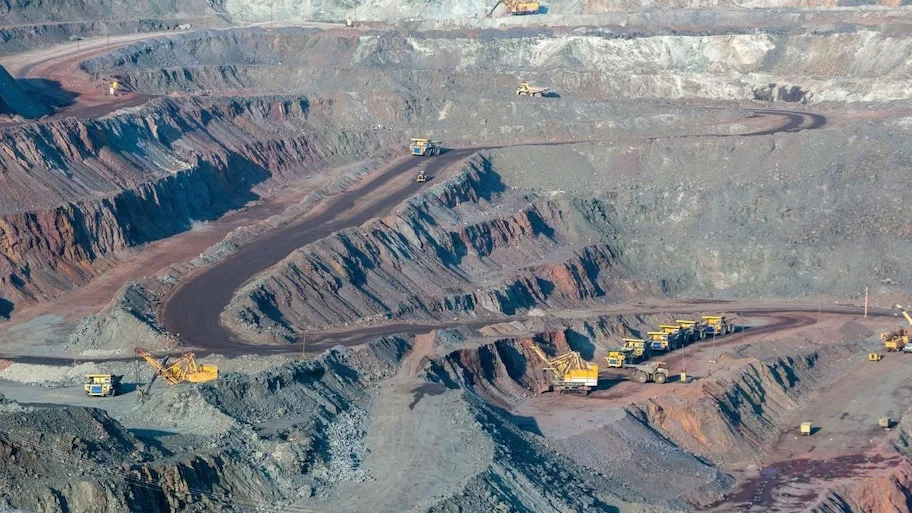
New Delhi: A new mining bill introduced by the Narendra Modi government in Parliament could change how states levy taxes and charges on mineral rights and mineral-bearing land. The proposed changes would restrict state governments from imposing additional taxes, cess or other charges on mineral rights.
Political Context
The proposed restriction would also cover land containing minerals. The central government wants to prevent states from adding their own taxes, cess or levies on mineral rights. If the bill becomes a law, state governments will not be able to impose such additional charges on minerals or land containing minerals.
The Mines and Minerals (Development and Regulation) Amendment Bill, 2026, or MMDR Act, was introduced in the Lok Sabha by Union Coal and Mines Minister G Kishan Reddy during the Monsoon Session of Parliament.
One of the main provisions says, “The state government shall not impose any tax, cess or any other charge on mineral rights. He said regional differences in taxes and levies on minerals can affect public interest. If taxes and charges become too high or vary between regions, industries may avoid local supply chains, according to him.
The bill also deals with taxes and levies that were imposed before the amended law comes into force. If an amount had been imposed but had not been collected before the new law takes effect, the state government would not be allowed to recover it.
