
“Nani, aaj kya banaya?” (”Grandma, what did you cook today?”)
Key Factors
That’s the challenge researchers at AI4Bharat, a research lab at IIT Madras, have taken on. Their mission is ambitious: to build AI that can understand, speak and translate India’s many languages, making technology more accessible to millions. We spoke to Kaushal Bhogale, a PhD researcher at AI4Bharat, to find out how his team is teaching AI to speak India, one voice, one conversation and one language at a time. Instead of forcing these words into existing rules, the team developed new transcription guidelines to record them accurately.
“The spoken language is very different from the written language,” explains Kaushal. “This is especially true for Indian languages because of their many accents and dialects.”
Evidence and Data
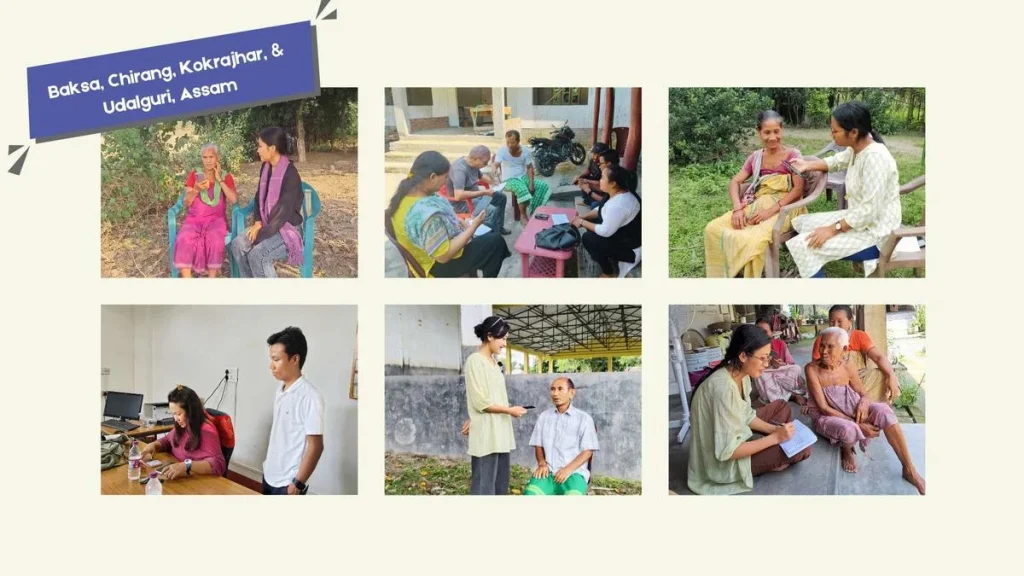
For an AI model, this is like trying to learn cricket without ever watching a match. It needs thousands, often millions, of real examples before it can recognise patterns, understand meaning and respond accurately. That’s why collecting language data from across India is such an important part of AI4Bharat’s work. It isn’t just teaching AI new words; it’s helping machines understand the richness and diversity of how India speaks. But this isn’t as simple as carrying a microphone and pressing record. The team first connects with local colleges and community organisations before setting up recording booths where volunteers can participate. Instead of asking them to read random sentences, researchers encourage them to talk about their lives. Participants might describe how their family celebrates Diwali, explain the dishes prepared during festivals, talk about wedding traditions, or share stories about their village and community.
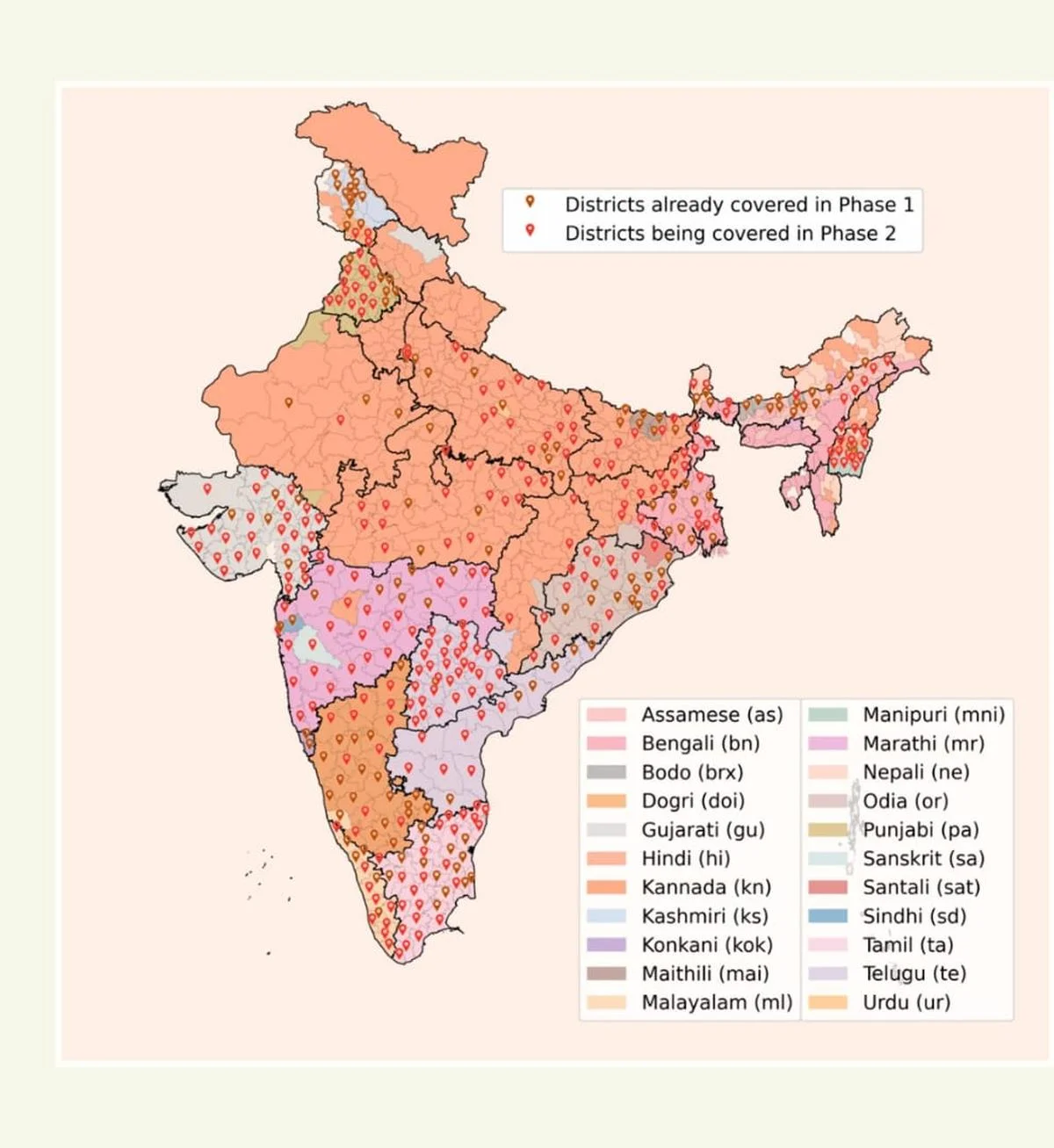
For AI4Bharat, that has meant travelling to more than 500 districts across the country to collect speech data from people of different ages, regions and language backgrounds.
Outlook
These conversations do much more than teach AI new words. They capture accents, dialects, expressions and cultural traditions that make every language unique. What the team expected to be one of the biggest challenges, getting people to speak freely, turned out to be one of the most rewarding parts of the project. Behind the scenes, every recording goes through another important step. These speech-and-text pairs become the training material for AI models, helping them learn how spoken words match written language. After each recording, human transcribers write down exactly what they hear so the AI can learn to match speech with text. But many Indian communities use words and expressions that are spoken every day yet rarely written. Some dialects have no standard spelling, while others differ greatly from formal written language.
“People are happy to share their life experiences,” says Kaushal. Human transcribers carefully listen to the audio and write down exactly what was said.
